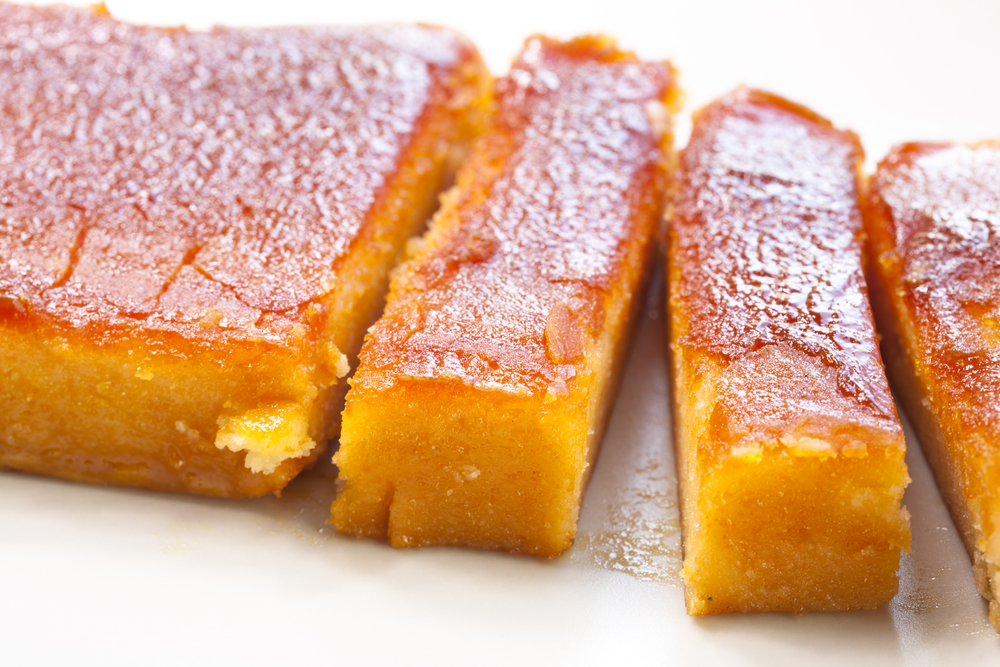

Some desserts aren’t just recipes—they’re culinary time capsules. Ponche Segoviano is exactly that. Originating from Segovia, Spain, this rich, multi-layered cake is a masterpiece of tradition, artistry, and unmistakable flavor. Almond lovers will instantly fall for the marzipan coating, while the alternating sponge cake and pastry cream layers deliver a creamy, soft texture balanced by a sugar-crisped top.
From a baker’s perspective, this isn’t your everyday sponge cake. It demands patience, precision, and respect for its historical roots.
In my experience, nothing compares to tasting an authentic Ponche Segoviano at its birthplace. During a trip to Segovia, I discovered the original was patented and only sold at Confitería El Alcázar. Learning that King Alfonso XIII endorsed the recipe added even more grandeur to its regal reputation.
But what truly makes this cake legendary? Let’s take a deeper look.
Table of Contents
2. The Fascinating History of Ponche Segoviano
Ponche Segoviano isn’t centuries-old folklore—it’s a 20th-century creation by Segovian pastry chef Frutos García Martín. Introduced in 1926 and kept as a closely-guarded secret, it quickly became a staple in Castilian celebrations.
García Martín’s big break came in 1929 when King Alfonso XIII, who vacationed nearby La Granja, encouraged him to present the dessert at the Barcelona Universal Exposition. The cake won the gold medal and a permanent place in Spain’s gastronomic hall of fame.
My favorite anecdote? The recipe is still protected by patent and can only be bought at the original bakery. That exclusivity makes every homemade attempt a personal interpretation—a tribute to its heritage.
3. Essential Ingredients for the Perfect Ponche Segoviano
Though the exact original formula is a secret, most versions share these foundational elements:
- Sponge Cake (Bizcocho): Soft, airy, yet able to hold syrup layers.
- Pastry Cream (Crema de Yema): Rich, eggy, and slightly sweetened.
- Almond Marzipan: A sugary almond paste that envelops the cake.
- Simple Syrup: Often flavored with lemon or cinnamon to soak the cake.
- Icing Sugar: For decoration and that classic crisscross grill pattern.
Every layer counts. From my baking, the balance of syrup and sponge is crucial—you want it moist but not soggy.
4. Step-by-Step Recipe: How to Make Ponche Segoviano at Home
Step 1: Bake the Sponge Cake
Use a genoise-style base: eggs, sugar, and flour whipped to a thick, foamy consistency. Bake, cool, and slice into equal layers.
Step 2: Prepare the Syrup
Boil sugar and water, optionally infusing with lemon peel or a splash of brandy. Let cool before soaking.
Step 3: Make the Pastry Cream
Cook egg yolks, sugar, and cornstarch with milk until thick. Some bakers add a hint of vanilla or citrus zest.
Step 4: Layer and Stack
Alternate soaked sponge with cream, to finish with a top sponge layer.
Step 5: Wrap in Marzipan
Roll out the marzipan thinly and cover the cake entirely. Dust with icing sugar.
Step 6: Burn the Crosshatch Design
Use a hot skewer or kitchen torch to mark the traditional diamond pattern.
It’s labor-intensive, yes. But when I made it at home for a family gathering, it became the centerpiece of the celebration. The silky cream and soft almond crust made it worth every minute.
5. Pro Tips and Common Mistakes to Avoid
- Don’t Oversoak the Sponge: It should be moist, not dripping.
- Chill Before Decorating: A cold cake holds shape better under marzipan.
- Use Quality Almond Flour: Marzipan is 30% of the flavor—don’t compromise.
Pro tip from experience: toast your almond flour before making marzipan. It intensifies the flavor and adds a nutty aroma that elevates the entire dessert.
6. Modern Twists and Creative Variations
While purists may prefer the classic, modern bakers have added playful touches:
- Liquor-Infused Syrup: Replace part of the water with Amaretto or Sherry.
- Chocolate Ganache Drizzle: A dark twist for those with a chocoholic side.
- Fruit Layers: Thin slices of poached pear or fig add elegance.
Having made several variations, I favor adding orange zest to the cream—it brings a subtle citrus note that pairs beautifully with the almonds.
7. Spanish Recipes You’ll Also Love
Once you’ve mastered Ponche Segoviano, expand your Spanish dessert repertoire:
- Tarta de Santiago: Almond tart from Galicia.
- Tocinillo de Cielo: Rich egg yolk flan from Andalusia.
- Leche Frita: Fried milk squares dusted in cinnamon.
- Churros con Chocolate: The crispy-sweet classic.
These desserts, like Ponche, are deep-rooted in tradition and flavor.
8. FAQs About Ponche Segoviano
Is the original recipe public?
No, it’s patented and secret—only available at Confitería El Alcázar in Segovia.
Can I make it without marzipan?
Technically, yes, but it won’t be Ponche Segoviano. That almond layer is the signature.
How long does it last?
Up to 3 days in the fridge. Best served within 24 hours.
Can it be frozen?
Not recommended—the marzipan texture suffers.
9. Perfect Pairings: When and How to Enjoy It
Ponche Segoviano is perfect for celebrations, Sunday lunches, or any moment that calls for indulgence.
Best pairings:
- Spanish Cava for a festive pop.
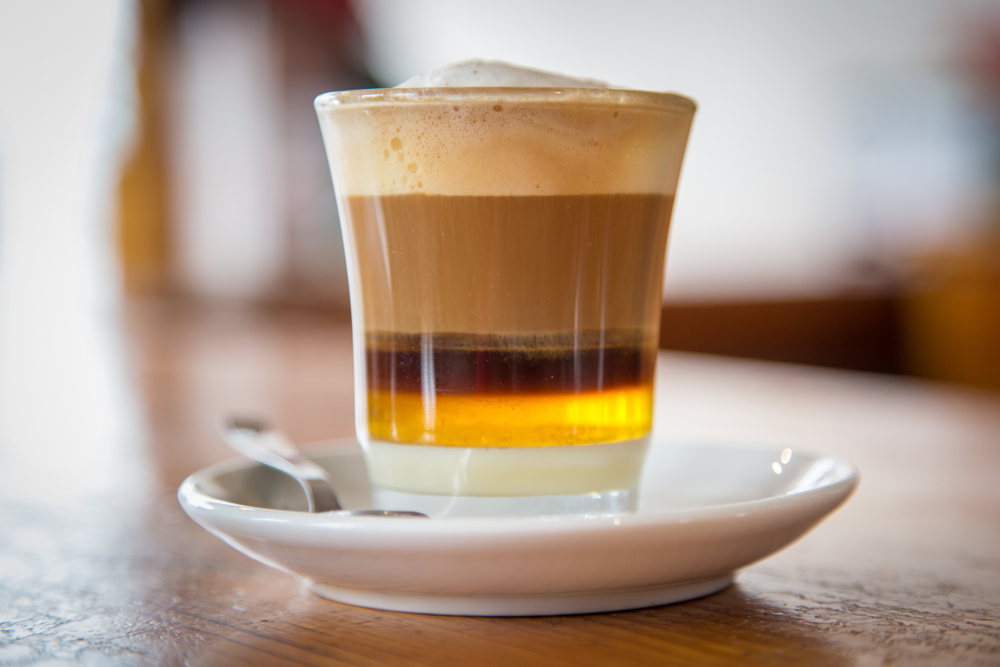
- Espresso for a rich contrast.
- Amaretto Liqueur mirrors the almond flavor.
Personally, I love serving it with a strong coffee and soft flamenco in the background—it’s an experience as much as a dessert.
10. Conclusion: Try It, Share It, and Let Us Know!
Recreating Ponche Segoviano at home is more than baking; honoring Spanish culinary tradition. Whether nostalgic for Segovia or discovering this classic for the first time, this cake is a sweet journey worth taking.
Have you tried making it? Got your variation?
Subscribe to our newsletter for more traditional recipes or drop a comment below—I’d love to hear your take on this Spanish gem!

Ponche Segoviano: 7 Secrets to Perfect Cake Recipe
Ingredients
For the sponge cake:
- 6 Large eggs
- ¾ cup (150 g) Granulated sugar
- 1 ¼ cup (150 g) All-purpose flour
- 1 tsp Vanilla extract
For the pastry cream:
- 2 cups (500 ml) Whole milk
- 6 Egg yolks
- ⅔ cup (130 g) Sugar
- 6 ½ tbsp (50 g) Cornstarch
- 1 tsp Vanillla extract
For the syrup:
- ½ cup (100 g) Sugar
- ½ cup (120 ml) Water
- Optional: lemon peel or cinnamon stick
For the marzipan:
- 2 cups (200 g) Almond flour
- 2 cups (250 g) Powdered sugar
- 1-2 Egg whites
- 1 tsp Almond extract
For decoration:
- Powdered sugar (for dusting)
Instructions
- Make the Sponge Cake:Preheat oven to 350°F (175°C). Grease and line a 9-inch (23 cm) round cake pan.Beat eggs and sugar until pale and fluffy. Add vanilla.Gently fold in the sifted flour until just combined.Pour into the prepared pan and bake for 25 minutes or until a toothpick comes out clean.Let cool completely, then slice into 2 or 3 horizontal layers.
- Make the Syrup:Combine sugar and water in a saucepan. Add lemon peel or cinnamon if desired.Bring to a boil, simmer for 5 minutes, and let cool.
- Make the Pastry Cream:Whisk yolks, sugar, and cornstarch in a heatproof bowl.Heat the milk to just below boiling.Slowly pour the milk into the yolk mixture, whisking constantly.Return to the saucepan and cook over medium heat until thick.Remove from heat, add vanilla, and let cool completely.
- Make the Marzipan:Mix almond flour and powdered sugar.Add egg white and almond extract gradually, kneading until smooth.Roll out between parchment paper sheets until thin.
- Assemble the Cake:Place a sponge layer on your serving plate. Brush generously with syrup.Spread pastry cream over the layer.Repeat with remaining layers.Cover the cake with the rolled marzipan.Dust with powdered sugar and mark the traditional diamond pattern using a hot skewer or kitchen torch.