Why Spanish Olive Oil Is Unique
A Tradition Passed Through Generations
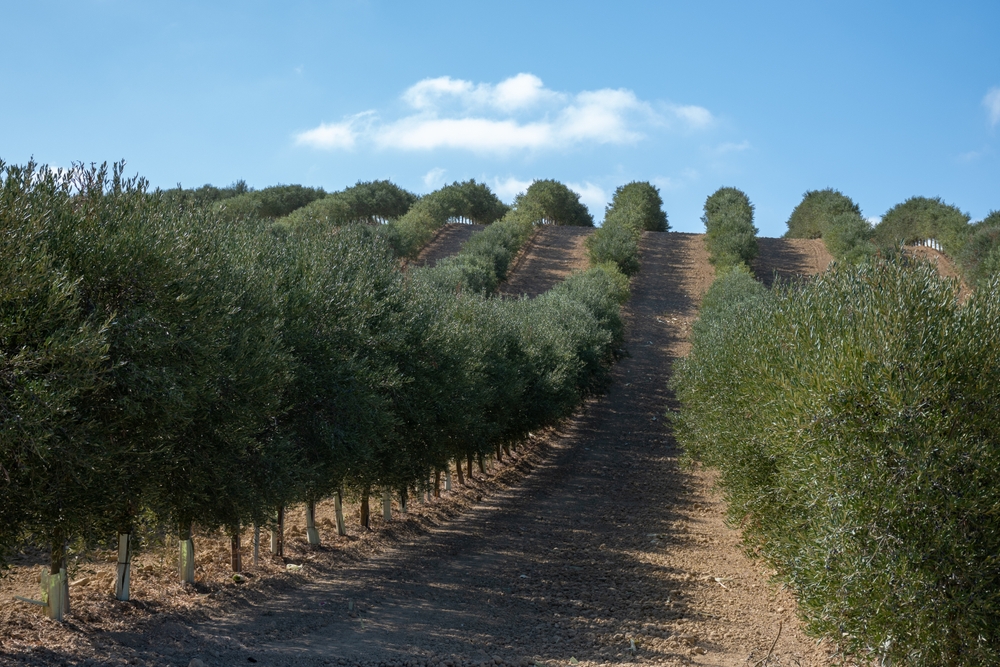
Spanish olive oil is more than a pantry staple, part of the country’s identity. Often called “liquid gold,” it represents centuries of tradition. The first olive trees were planted on Iberian soil over 3,000 years ago by the Phoenicians, later cultivated by the Romans and perfected by generations of Spanish farmers. Today, Spain produces nearly half of the world’s olive oil, exporting its flavors and culture globally.
In my own experience, olive oil was present at every meal. From drizzling over fresh bread at breakfast to adding depth to a Sunday lamb stew, it was the silent hero of the table.
Health Benefits You Should Know
Spanish olive oil isn’t just delicious—it’s also one of the healthiest fats you can eat. Numerous studies highlight its role in cardiovascular health, anti-inflammatory benefits, and antioxidant richness.
- Heart health: Rich in monounsaturated fats, which lower “bad” cholesterol (LDL) and improve “good” cholesterol (HDL).
- Anti-inflammatory properties: Contains oleocanthal, which acts similarly to ibuprofen.
- Rich in antioxidants: Vitamin E and polyphenols protect against cellular damage.
- Supports digestion: Enhances nutrient absorption, especially fat-soluble vitamins like A, D, E, and K.
The Mediterranean diet, in which olive oil plays a starring role, is consistently ranked among the healthiest in the world.
Table of Contents
Different Types of Spanish Olive Oil
Different Types of Spanish Olive Oil
Spanish olive oil comes in several types, each defined by how it’s produced, its flavor profile, and its best uses in the kitchen. Understanding these differences helps you choose the right oil for every occasion.
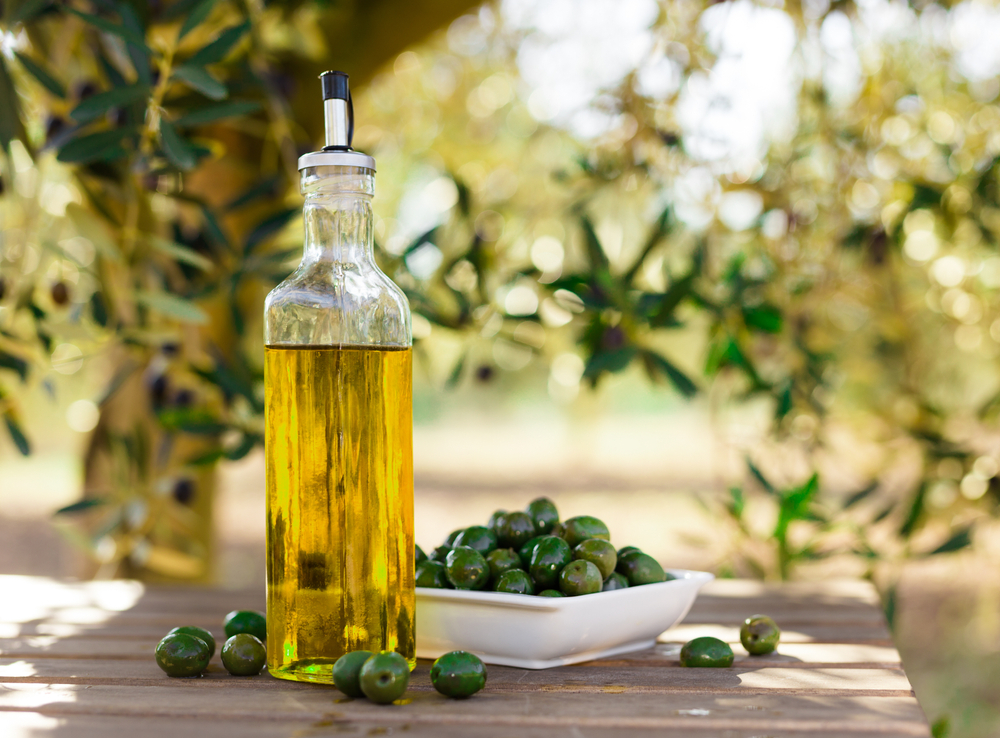
Extra Virgin Olive Oil (EVOO)
Definition: The highest quality olive oil, obtained directly from olives using only mechanical methods. Acidity must be ≤0.8%, and it must pass strict sensory tests with no defects.
Flavor profile: Complex and rich—fruity, grassy, peppery, or nutty depending on the region and olive variety.
Nutritional benefits:
- Highest in antioxidants and polyphenols.
- Contains oleocanthal, a natural anti-inflammatory.
- Promotes heart, brain, and immune health.
Best uses:
- Raw applications: salads, bread, finishing dishes.
- Sauces, emulsions, and dips.
Virgin Olive Oil
Definition: Also made mechanically, but allows slight taste imperfections. Acidity up to 2%.
Flavor profile: Similar to EVOO but less intense or with muted aromas.
Nutritional benefits:
- Still contains healthy fats and antioxidants.
- More affordable than EVOO.
Best uses:
- Medium-heat cooking, sautéing, soups, and sauces.
- Every day, family meals.
Refined Olive Oil
Definition: Made by refining defective virgin oils with heat/chemicals, then blended with some virgin oil. Final acidity ≤0.3%.
Flavor profile: Very mild, nearly neutral.
Nutritional benefits:
- Lower antioxidant levels.
- Still provides healthy monounsaturated fats.
Best uses:
- High-heat cooking, frying, and roasting.
- Baking where a neutral flavor is needed.
Olive Pomace Oil (Aceite de Orujo de Oliva)
Definition: Extracted from olive paste (skins, pulp, pits) using solvents, then refined and blended with virgin oil.
Flavor profile: Neutral, lacks character.
Nutritional benefits:
- Provides monounsaturated fats but minimal antioxidants.
Best uses:
- Deep-frying in commercial kitchens.
- Not recommended raw.
Lampante Olive Oil
Definition: Virgin oil with severe defects, too acidic (>3.3%), or unpleasant flavor. Traditionally used as lamp fuel. Must be refined before human consumption.
Flavor profile: Defective, rancid, or musty.
Best uses:
- Refining into commercial blends.
- Not suitable for direct consumption.
Comparison Table: Types of Spanish Olive Oil
| Type of Olive Oil | Acidity (max) | Flavor Profile | Nutrition Value | Best Uses |
|---|---|---|---|---|
| Extra Virgin (EVOO) | ≤0.8% | Fruity, grassy, peppery | Highest antioxidants, heart-healthy | Salads, bread, finishing dishes |
| Virgin | ≤2% | Milder, slight defects | Good antioxidants, healthy fats | Everyday cooking, sautéing |
| Refined | ≤0.3% | Neutral, mild | Fewer antioxidants, healthy fats | Frying, roasting, baking |
| Olive Pomace | ≤0.3% (after refining) | Neutral, flat | Minimal antioxidants, healthy fats | Industrial frying, catering |
| Lampante (non-edible) | >3.3% | Defective, rancid | Not consumable before refining | Refining for blends only |
Regional Varieties of Spanish Olive Oil
Spain is the world leader in olive oil production, and its regional diversity means there isn’t just one Spanish olive oil flavor. Each area has unique climates, soils, and olive varieties that result in distinctive oils. Exploring them is like traveling through Spain by taste.
Andalusia: The Heart of Olive Oil Production
Andalusia, particularly Jaén, is the beating heart of Spanish olive oil, producing nearly 40% of the world’s supply. The Picual olive dominates here.
- Flavor profile: Robust, peppery, and slightly bitter, with hints of tomato leaf and green almond.
- Nutritional edge: High in polyphenols, making it one of the most stable oils for cooking and frying.
- Best uses: Frying potatoes, seasoning hearty stews, or drizzling over strong cheeses.
Other Andalusian varieties include Hojiblanca (balanced, with notes of apple and fresh herbs) and Lechín (smooth and versatile).

Catalonia: Mild and Fruity Arbequina Oils
Catalonia is famous for the Arbequina olive, known for its small size and delicate flavor.
- Flavor profile: Fruity, smooth, slightly sweet, with notes of apple, banana, and almond.
- Best uses: It is ideal for salads, fish, mayonnaise, aioli, or desserts where a subtle touch is needed.
- Fun fact: Arbequina oils are a favorite among chefs for emulsions and sauces thanks to their gentle texture.
Extremadura: Bold and Balanced Cornicabra
In western Spain, Extremadura and Castilla-La Mancha are home to the Cornicabra olive, the second-most planted variety.
- Flavor profile: Balanced bitterness and spiciness, with a persistent aftertaste. Often described as strong and characterful.
- Best uses: Perfect for stews, roasted meats, and game dishes, where it can hold its own against powerful flavors.
- Health factor: High stability, making it suitable for longer cooking processes.
Castilla-La Mancha: Herbaceous and Nutty Notes
Castilla-La Mancha offers diverse oils, including Cornicabra and other local varieties.
- Flavor profile: Herbaceous, slightly nutty, with hints of green leaf and almond.
- Best uses: Sauces, legumes, and traditional Manchego cuisine like pisto manchego (a Spanish ratatouille).
- PDO recognition: The region has several Protected Designations of Origin (PDOs) like Montes de Toledo.
Valencia and Levante: Blends of Tradition
The Levante region (Valencia and Murcia) produces smaller quantities but with high quality. Oils here often come from Blanqueta, Serrana, and Villalonga olive blends.
- Flavor profile: Aromatic, slightly bitter, with floral notes.
- Best uses: Excellent for rice dishes like paella, fish, and vegetables.
Aragón and Navarra: Northeastern Freshness
The northeast produces distinctive oils from Empeltre olives.
- Flavor profile: Soft, sweet, and mild, with a golden color.
- Best uses: Dressings, marinades, and dishes where a gentle oil won’t overpower other ingredients.
Balearic Islands: Mediterranean Character
The Balearic Islands (Mallorca, Menorca, Ibiza) produce oils under the Oli de Mallorca PDO.
- Flavor profile: Fruity with a slight bitterness, reflecting the island’s climate and soils.
- Best uses: Perfect for fresh seafood, grilled vegetables, and Mediterranean-style salads.
Canary Islands: Volcanic Terroir
Though small in volume, the Canary Islands produce unique oils influenced by volcanic soil.
Best uses: Pair with local specialties like grilled fish, papas arrugadas, and mojo sauces.
Flavor profile: Fruity, with tropical and floral notes unusual in mainland oils.
A Closer Look at Olive Oil Quality Categories
Not all olive oils on the market meet the same quality standards. The International Olive Council (IOC) defines categories based on chemical composition and taste:
- Extra Virgin Olive Oil (EVOO): Maximum acidity of 0.8%. Must pass sensory tests with no defects.
- Virgin Olive Oil: Acidity up to 2%. May have minor taste imperfections.
- Lampante Oil: Not fit for human consumption without refining.
- Refined Olive Oil: Chemically treated to neutralize defects, then blended with virgin oil.
Understanding these categories helps you choose wisely when shopping.
Olive Oil Smoke Point vs Other Cooking Oils
One of the most persistent myths about olive oil is that it cannot be used for frying because it supposedly burns too quickly. The reality is very different: Spanish olive oil, especially extra virgin, is perfectly suitable for cooking, even at relatively high temperatures.
The smoke point of an oil is the temperature at which it begins to break down and produce visible smoke. At this point, flavor and nutritional quality can deteriorate, and potentially harmful compounds may form. For olive oil, the smoke point varies depending on the type:
- Extra Virgin Olive Oil (EVOO): 375–410°F (190–210°C)
- Virgin Olive Oil: Around 420°F (215°C)
- Refined Olive Oil: Up to 465°F (240°C)
This makes Spanish olive oil suitable for sautéing, stir-frying, pan-frying, and even deep-frying in many cases.
Comparison with Other Oils
To put olive oil into perspective, here are the approximate smoke points of other common cooking fats:
- Sunflower oil: 440°F (225°C)
- Canola oil: 400°F (205°C)
- Coconut oil: 350°F (175°C)
- Butter: 300°F (150°C)
As you can see, extra virgin olive oil is more stable than coconut and butter, and nearly as stable as sunflower oil. Refined olive oil, on the other hand, exceeds them all, making it an excellent option for high-heat cooking.
Why Olive Oil Performs Better Than Seed Oils
What makes Spanish olive oil unique is not just its smoke point but also its chemical stability. Thanks to its high content of monounsaturated fats and polyphenols, olive oil resists oxidation better than many seed oils. This means that even when heated, it preserves more beneficial compounds and produces fewer harmful byproducts.
A 2018 study published in Acta Scientific Nutritional Health found that olive oil, even when used for deep frying, remained more stable than sunflower oil, which degraded faster due to its higher proportion of polyunsaturated fats.
Practical Tip
For frying foods like croquettes, potatoes, or seafood, refined Spanish olive oil offers both heat stability and a neutral taste. For dishes where you want the oil’s flavor to shine, like sautéed vegetables or pan-grilled fish, extra virgin is the better choice.
Expanded Health Benefits of Spanish Olive Oil
Spanish olive oil is celebrated for more than just flavor:
- Cardiovascular health: Regular use reduces the risk of heart attack and stroke.
- Brain protection: Polyphenols may reduce the risk of neurodegenerative diseases like Alzheimer’s.
- Anti-cancer potential: Antioxidants fight oxidative stress, a key factor in cancer development.
- Weight management: Helps increase satiety, reducing overeating.
- Diabetes control: Improves insulin sensitivity.
In my kitchen, replacing seed oils with olive oil made meals feel lighter and healthier without sacrificing flavor.
Olive Oil vs Other Healthy Fats
When it comes to cooking fats, olive oil stands out:
Olive Oil vs Avocado Oil
Both are rich in monounsaturated fats. Avocado oil has a higher smoke point (up to 520°F/270°C), making it excellent for high-heat cooking. Olive oil, however, offers broader flavor diversity and more cultural culinary uses.
Olive Oil vs Coconut Oil
Coconut oil is rich in saturated fats, which can raise cholesterol if consumed in excess. Olive oil, with its monounsaturated fats, is more heart-friendly.
Olive Oil vs Butter
Butter is high in saturated fats and cholesterol. Olive oil, with vitamin E and antioxidants, is a healthier choice for daily cooking.
Olive Oil vs Seed Oils (Sunflower, Corn, Canola)
Seed oils often undergo chemical refining and can contain higher omega-6 fatty acids, which may promote inflammation when consumed excessively. Spanish olive oil, by contrast, is minimally processed and balanced in fatty acids.
7 Proven Ways to Use Spanish Olive Oil
Drizzle Over Fresh Salads
Nothing enhances a simple salad like a generous drizzle of EVOO. Pair it with sea salt, fresh tomatoes, and cucumber for a Mediterranean touch.
Pair with Bread and Tomatoes
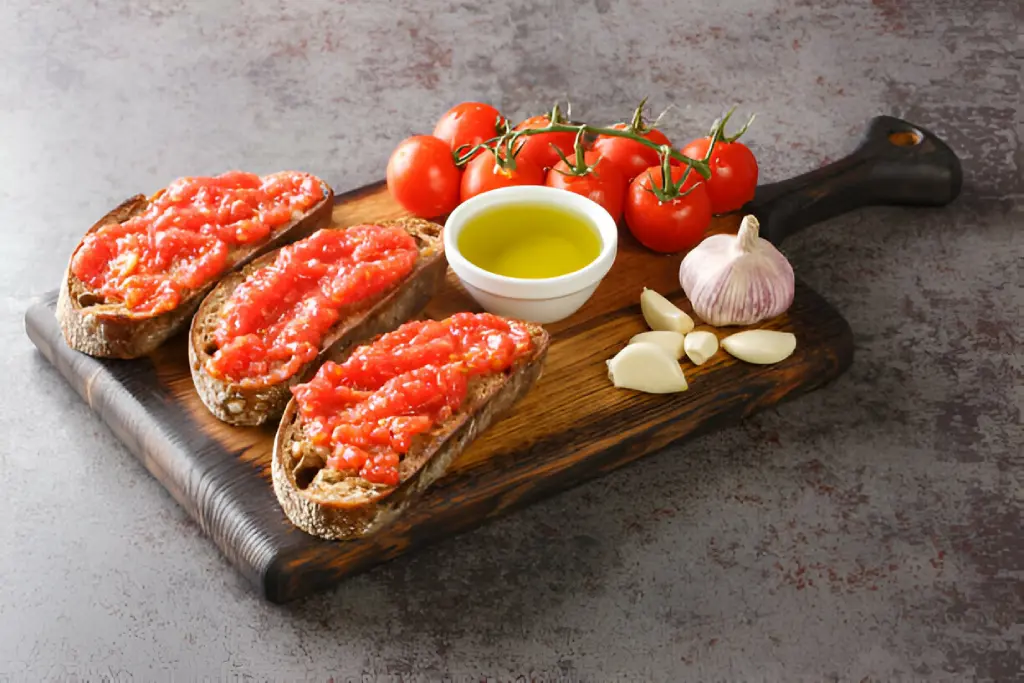
Few dishes are more Spanish than pan con tomate: rustic bread rubbed with ripe tomato, sprinkled with salt, and finished with olive oil. I’ve shared this with visitors countless times, and their reaction is always astonishment that such simplicity can be so delicious.
Enhance Soups and Stews
From gazpacho to cordero en caldereta, olive oil builds flavor layers. It’s often used in the base sofrito, a slow-cooked mix of onion, garlic, and tomato that underpins countless Spanish dishes.
Use for Healthy Frying
Contrary to myths, olive oil is excellent for frying. It remains stable at high temperatures, and foods fried in olive oil absorb less fat than seed oils. Think crispy churros, golden croquettes, or perfectly fried seafood.
Elevate Roasted Vegetables
Drizzling before roasting helps caramelize vegetables and bring out natural sweetness. Try peppers, zucchini, or eggplant with EVOO, garlic, and herbs.
Add Depth to Sauces and Marinades
Olive oil acts as a binder and flavor enhancer in alioli and marinades for fish and meat. It also balances acidity in vinegar—or lemon-based dressings.
Finish Dishes with a Flavor Boost
A final drizzle adds freshness and aroma. Over grilled fish, pasta, pizza, or even a simple baked potato, EVOO provides that last burst of flavor.
Classic Spanish Recipes Featuring Olive Oil
Gazpacho Andaluz
This refreshing Andalusian tomato soup blends raw vegetables with olive oil, creating a creamy texture without dairy.
Pan con Tomate
A Catalan classic, perfect as an appetizer, snack, or breakfast.
Cordero en Caldereta (Lamb Stew)
A slow-cooked traditional dish where olive oil is the foundation of flavor.
Tortilla de Patatas (Spanish Omelet)
Potatoes are slow-cooked in olive oil before being mixed with eggs. The oil’s richness defines the taste.
Alioli (Garlic Mayonnaise)
A traditional Catalan sauce made by emulsifying olive oil with garlic. Perfect for grilled meats and seafood.
Buying, Tasting, and Storing Spanish Olive Oil
- Buying tips: Look for “Extra Virgin” on the label, harvest date, and origin (PDO—Protected Designation of Origin).
- Tasting notes: Swirl in a glass, inhale aroma (fruity, grassy, nutty), then sip for bitterness and pepperiness—both signs of quality.
- Storage: Keep in a cool, dark place. Heat, light, and air degrade oil quickly. Use within 12–18 months of harvest.
Myths and Facts About Olive Oil
- Myth: Olive oil can’t be used for frying.
Fact: It is stable and safe, even healthier than seed oils. - Myth: All olive oils taste the same.
Fact: Flavor varies by region, olive variety, and harvest. - Myth: EVOO loses its benefits when cooked.
Fact: While delicate aromas may diminish, nutritional value remains intact.
Pairing Spanish Olive Oil with Food and Wine
- Arbequina oil: Best with fish, salads, and desserts.
- Picual oil: Perfect for meat stews and grilled vegetables.
- Cornicabra oil: Great with game meats and strong cheeses.
Pair olive-oil-rich dishes with Spanish wines: Albariño with seafood drizzled in EVOO, Rioja with olive-oil-based stews, or Cava with pan con tomate.
FAQs About Spanish Olive Oil
Can you fry with extra virgin olive oil?
Yes, it has a high smoke point (around 190–210°C) and retains stability under heat.
How should Spanish olive oil be stored?
Store in a dark glass bottle, away from light and heat.
What makes Spanish olive oil different from Italian or Greek?
Spain offers an unmatched variety, producing both robust and mild oils. Its production scale ensures quality at competitive prices.
How long does Spanish olive oil last?
Best consumed within 12–18 months of harvest. Once opened, finish within 3 months.
Is Spanish olive oil suitable for baking?
Yes, it can replace butter or vegetable oil in cakes, breads, and cookies, adding moistness and subtle flavor.
Conclusion
Ready to Transform Your Cooking?
Spanish olive oil is more than an ingredient; it’s heritage, health, and flavor in a bottle. Its versatility means you can drizzle, fry, roast, or simply dip bread and enjoy.
If you want to keep exploring authentic Spanish cuisine, subscribe to our newsletter for more recipes and tips, or leave a comment sharing how you use Spanish olive oil in your kitchen.