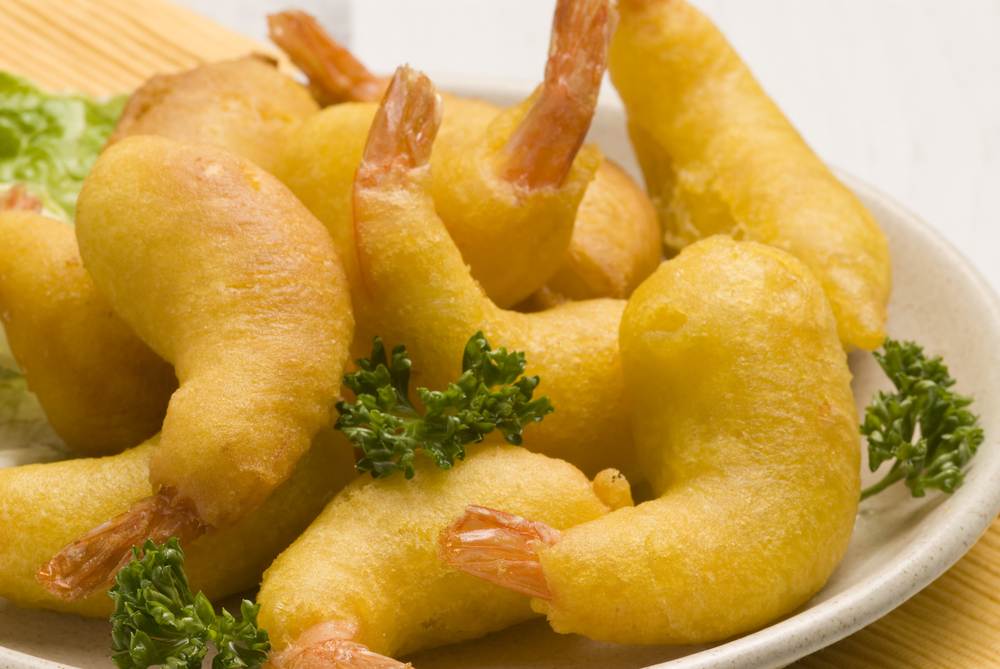
There’s something magical about biting into a golden, crispy shrimp, fresh out of the fryer, with a fluffy batter that holds just the right amount of crunch. Gambas en gabardina, also known as Spanish battered shrimp, is one of those iconic dishes that you can find on the chalkboard menus of bars across Spain. Served as a tapa or a starter, they are a crowd favorite thanks to their simplicity, flavor, and addictive texture.
This dish may look like a restaurant-only specialty, but with the right technique and ingredients, you can recreate this Spanish classic at home. Whether you’re hosting a dinner party or just craving something deliciously authentic, Spanish battered shrimp is easy to make, quick to fry, and impossible to stop eating once you start.
In this guide, I’ll share the secrets behind the perfect batter, tips to avoid soggy results, and how you can make this recipe your own. Best of all, I’ll include my take, using a touch of cold beer in the batter to take these shrimp to the next level.
Let’s dive in.
Table of Contents
What Are Spanish Battered Shrimp (Gambas en Gabardina)?
Gambas en gabardina means “shrimp in an overcoat,” and it’s easy to see why. Each shrimp is coated in a fluffy batter that puffs up during frying, creating a light, golden jacket around the tender seafood inside. This is not your typical dense, oily coating—done right, the batter is airy, slightly crisp on the outside, and soft within.
This dish is a staple in many parts of Spain, especially in tapas bars across Madrid and Andalusia. While each region might tweak the technique slightly, the base remains the same: shrimp, a simple batter, hot oil, and a pinch of salt.
In many homes and bars, it’s the go-to recipe when there is company or a festive occasion. And despite being simple, it allows for creativity and personalization, especially with the batter.
Key Ingredients for Authentic Flavor and Texture
While the ingredient list for Spanish battered shrimp is short, each element is crucial in the final result. Here’s what you’ll need:
- Raw shrimp (peeled and deveined, tail on preferred)
- All-purpose flour
- Baking powder or soda (for added puffiness)
- Cold beer or sparkling water
- Salt
- Olive oil or neutral oil for frying
The shrimp should be fresh or properly melted from frozen—no soggy, pre-cooked shrimp here. The batter must be cold to work its magic.
“In my case, I used beer for the batter, but sparkling water works just as well. The gas in both ingredients makes the coating fluffy and juicy. Beer adds its bitter aftertaste, which gives the dish an excellent touch. The key is: beer or sparkling water—both must be very cold.”
That temperature difference is what creates the fluffiness when the batter hits the hot oil. It’s chemistry and tradition working hand in hand.
Step-by-Step Guide to Spanish Battered Shrimp
Here’s how to make these irresistible shrimp at home, step by step.
1. Prep the shrimp
Pat the shrimp dry with paper towels. Any moisture will interfere with the batter sticking correctly.
2. Mix the batter
Whisk the flour, a pinch of salt, and baking powder. Gradually add cold beer or sparkling water until you get a smooth, thick batter, similar to pancake batter.
3. Chill the batter
Place the bowl in the fridge for at least 15 minutes. This step helps the batter bind better and puff up beautifully during frying.
4. Heat the oil
Heat a generous amount of oil (olive oil for authenticity, or a neutral oil for a higher smoking point) to 180°C (350°F).
5. Dip and fry
Dip each shrimp in the batter and let the excess drip off. Fry in batches, turning once, until golden and puffed—about 1–2 minutes per side.
6. Drain and serve
Place on paper towels to drain and sprinkle with sea salt. Serve hot with lemon wedges or aioli.
Beer or Sparkling Water? The Secret to a Perfect Batter
Let’s talk about the star behind the puff: carbonation.
Beer introduces both fizz and flavor. The bubbles help aerate the batter, while the subtle bitterness of the beer adds complexity. For a more neutral taste, sparkling water is a fantastic alternative.
“That typical bitter aftertaste of beer gives the dish an excellent touch. But what’s crucial is that both beer and sparkling water are very cold.”
This cold temperature delays gluten development, keeping the batter light. The carbonation, meanwhile, expands when fried, creating that coveted fluffy coat. Skip the cold beer or sparkling water and risk a dense, flat batter.
Pro Tips for Light, Golden, Crispy Shrimp
- Dry the shrimp thoroughly before dipping—moisture ruins the batter’s adhesion.
- Keep your batter cold—work in small batches and keep the bowl in the fridge.
- Use fresh oil—old oil will dull the flavor and make the shrimp greasy.
- Don’t overcrowd the pan—fry in batches to maintain temperature.
- Rest the batter—just 10–15 minutes in the fridge makes a noticeable difference.
These little adjustments make the difference between a limp coating and a bar-worthy crunch.
Common Mistakes to Avoid When Frying Shrimp
- Using warm beer or water in the batter
- Over-mixing the batter, which can make it rubbery
- Letting the shrimp sit in the batter too long
- Reusing frying oil too many times
- Undercooking or overcooking—the sweet spot is 1–2 minutes per side
Avoiding these will give you that consistent, golden finish you crave.
Serving Ideas: The Best Ways to Enjoy Your Gambas
These shrimp are best eaten fresh and hot, just out of the fryer. Serve them with:
- Fresh lemon wedges
- Homemade aioli or garlic mayo
- A glass of cold beer or a crisp white wine
- On a platter with other tapas like patatas bravas, olives, and chorizo
They fit everywhere, whether as a tapa, appetizer, or party snack.
Regional Variations and Personal Touches
In some areas of Spain, the batter includes egg yolk for richness. Others swap beer for white wine or add a pinch of smoked paprika.
I love the subtle complexity that beer adds.
“In my case, I used beer for the batter… the bitter aftertaste gives the dish an excellent touch.”
That’s the beauty of Spanish cuisine: a shared tradition, with room for individual flair.
Related Spanish Tapas You’ll Love
If you enjoyed this, here are a few other Spanish tapas worth trying:
- Croquetas de Jamón (Ham Croquettes)
- Boquerones Fritos (Fried Anchovies)
- Calamares a la Romana (Fried Calamari)
- Tortilla Española (Spanish Omelette)
- Pimientos de Padrón (Fried Peppers)
They pair beautifully with these shrimp and create a full tapas spread.
FAQ: Your Questions About Spanish Battered Shrimp
Can I make the batter in advance?
Yes, but keep it chilled and use it within a few hours.
Can I use frozen shrimp?
Yes, but thaw and dry them before battering.
Is it better to peel the shrimp or leave the tails?
Tails add presentation value and make them easier to pick up.
Can I bake them instead of frying them?
It’s not recommended—the batter won’t crisp properly in the oven.
Conclusion
Spanish battered shrimp is more than just food, it’s a piece of Spanish culture. You can bring that bar-style flavor to your kitchen with a handful of ingredients and the correct technique.
If you loved this recipe, let me know in the comments! Have your twist or question? Share it below. And if you want more authentic Spanish recipes in your inbox, don’t forget to subscribe to the newsletter.
Let’s keep this tradition alive, one golden shrimp at a time.
Delicious Spanish Battered Shrimp: 5 Pro Tips for Crispy Result
Ingredients
- 400-500 g Raw shrimp (peeled and deveined, tails on if desired)
- 100 g All-purpose flour (about ¾ cup)
- ½ tsp Salt
- Olive oil or neutral oil for frying
- Optional: lemon wedges and aioli for serving
Instructions
- Prep the shrimp:Pat the shrimp dry with paper towels. Any moisture will interfere with the batter stickingcorrectly.
- Mix the batter:In a bowl, whisk together flour, a pinch of salt, and baking powder. Gradually add very cold beer or sparkling water until you get a smooth, thick batter—similar to pancake batter.
- Chill the batter:Place the bowl in the fridge for at least 15 minutes. This step helps the batter bind better and puff up beautifully during frying.
- Heat the oil:Heat a generous amount of oil (olive oil for authenticity, or a neutral oil for higher smoke point) to 180°C (350°F).
- Dip and fry:Dip each shrimp in the batter and let the excess drip off. Fry in batches, turning once, until golden and puffed about 1–2 minutes per side.
- Drain and serve:Place on paper towels to drain and sprinkle with sea salt. Serve hot with lemon wedges or alioli.