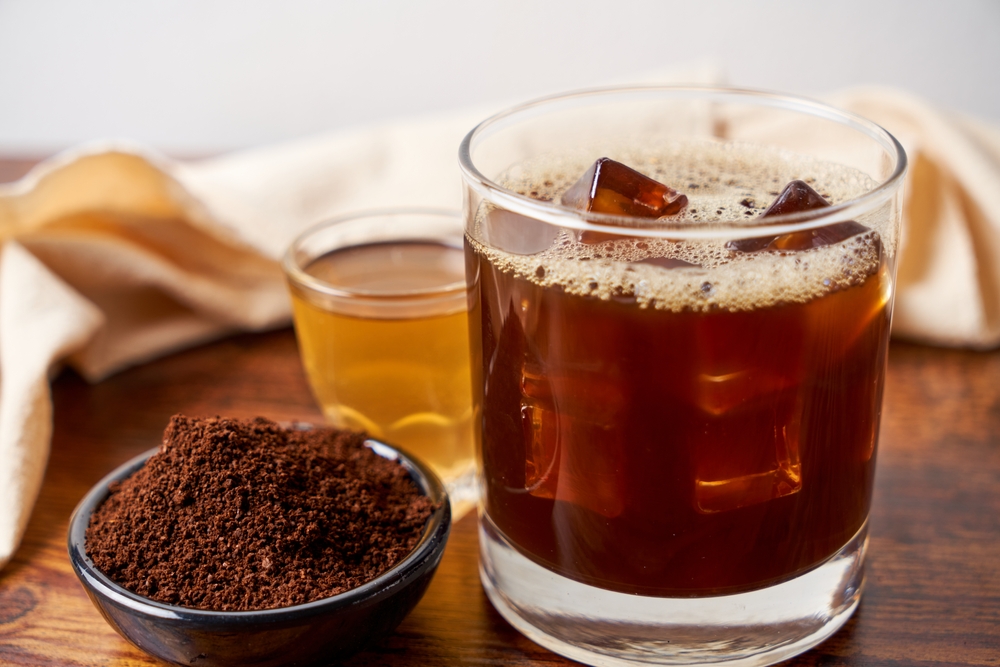
The carajillo is one of those hidden gems in coffee cocktails. At its core, it’s a hot espresso or strong coffee mixed with a spirit, typically brandy or rum, served in a small glass for a concentrated, bold flavor experience. But this isn’t just a spiked coffee; it’s a tradition with regional flair, history, and technique.
It’s as common as a post-lunch espresso in Spain, but far more satisfying. With every sip, you’re getting a blend of warmth, aroma, and just the right kick of alcohol. The charm of the carajillo lies not just in the ingredients but in the ritual—the way it’s layered, heated, sometimes flambéed, and served with precision.
My own discovery of the carajillo led me to appreciate not only its punch but also its versatility. Whether made with brandy, rum, or whisky, the carajillo is meant to be savored slowly, preferably after a hearty meal. It’s not just a drink—it’s a statement.
Table of Contents
1. The Surprising Origins of the Carajillo
The history of the carajillo is rich and contested. Some say it originated in Cuba during Spanish colonization, where soldiers would mix coffee with rum for “coraje”—courage—before going into battle. Others argue it started in Spain as a quick warming drink for cold mornings in the countryside.
Today, the carajillo thrives not just in Spain but in Mexico, where it has taken on a new identity using Licor 43, a vanilla and citrus-flavored Spanish liqueur. Mexican carajillos are often served chilled with ice, shaken vigorously, and layered for visual drama—though purists might argue that ice has no place in a real carajillo.
Regardless of the origin, one thing’s clear: the carajillo is here to stay and continues to evolve across cultures.
2. Regional Spanish Variations You Need to Know
Spain offers a fascinating array of carajillo interpretations, each with its own name and preparation technique:
- Catalonia (Cigaló): Typically uses brandy or anís. Served in a small glass with a short pull of espresso.
- Valencia & Balearic Islands (Cremaet): Known as “quemadito” or “rebentat”, this version includes rum or brandy flambéed with sugar, cinnamon stick, and citrus peel.
- Basque Country (Kafe Patardun): Often served with local orujo and considered a staple in colder months.
- Galicia: Uses aguardiente, and in some cases, herbs are infused for additional depth.
The diversity of these drinks showcases how Spain takes its coffee—and its liquor—seriously. I personally find the cremaet version captivating. The ritual of flaming the liquor with citrus peel and cinnamon stick not only enhances flavor but transforms preparation into a performance.
3. Essential Ingredients for this Classic Coffee
To master the basic carajillo, you’ll need only a few ingredients, but quality is everything:
- Freshly brewed espresso: Strong, hot, and aromatic.
- Spirit of choice: Brandy, rum, whisky, or aniseed liqueur works best. Choose a high-quality brand.
- Sugar (optional): Typically added to the liquor, not the coffee.
- Optional aromatics: Lemon or orange peel, cinnamon stick—especially in the cremaet version.
The key is balance. A good ratio is two parts coffee to one part alcohol. That gives you warmth without overwhelming the palate. One lesson I’ve learned: less is more. A carajillo is about complexity, not strength.
4. How to Perfectly Make it at Home
Here’s a step-by-step guide based on years of trial and error—and a few tips from Spanish bartenders:
- Preheat the glass: This keeps the temperature consistent.
- Warm the spirit (optional): Heat the alcohol gently and dissolve the sugar in it. For the cremaet style, flambé the mix with cinnamon and citrus peel.
- Pour the alcohol into the glass.
- Add the espresso carefully. Use a spoon to help separate the layers.
- Serve immediately.
What makes or breaks a carajillo is proportion and temperature. I’ve found that preheating the glass and using fresh, hot espresso makes a huge difference in mouthfeel and aroma.
5. Expert Tips for Layering Your Carajillo Like a Pro
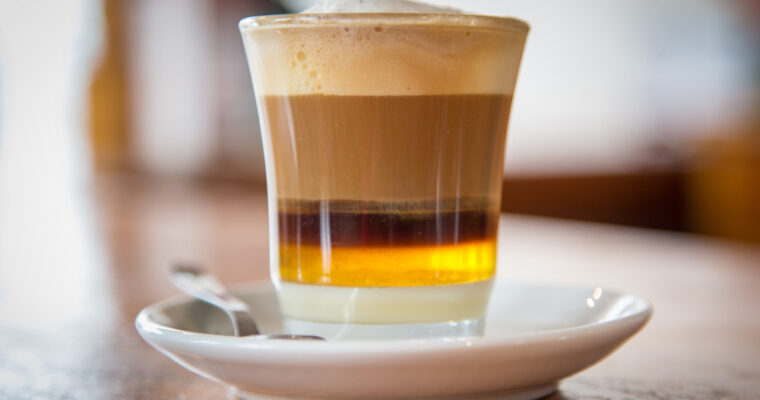
Layering isn’t just for looks; it affects flavor delivery. To get those perfect three layers (liquor, coffee, foam), follow these tricks:
- Dissolve sugar in the hot liquor first. This increases its density.
- Use a bar spoon: Let the coffee fall gently over the back of the spoon onto the liquor.
- Serve immediately: The layers hold better when freshly poured.
Seeing the distinct layers in the glass is deeply satisfying. The bottom amber layer of alcohol, the rich middle coffee, and the delicate crema on top, it’s a visual and gustatory harmony. Trust me, once you get this right, there’s no going back.
6. The Licor 43 Carajillo: A Modern Spanish Twist
One of the most popular modern takes is the Carajillo 43, made with Licor 43—a sweet, vanilla-forward liqueur from Spain. Here’s how to make it:
- 1 shot espresso
- 1.5 oz Licor 43
- Shake with ice and strain into a glass
This version is wildly popular in Mexico and among younger drinkers who want something sweeter and Instagram-worthy. While purists might raise an eyebrow at the ice, there’s no denying its appeal. I still prefer mine hot and without dilution—but I appreciate the twist for what it is.
7. Carajillo vs. Other Coffee Cocktails
You might be wondering: how does the carajillo compare to, say, an Irish Coffee or an Espresso Martini?
- Irish Coffee: Includes Irish whiskey, sugar, and cream. Served hot, but the cream layer makes it smoother.
- Espresso Martini: Cold, vodka-based, sweetened with Kahlua or simple syrup. More of a dessert drink.
- Affogato (with alcohol): A scoop of gelato “drowned” in espresso and often spiked.
What sets the carajillo apart is its simplicity and cultural depth. There’s no fluff—just bold coffee and honest liquor. It’s the espresso shot of the cocktail world.
8. Related Spanish Recipes to Try Next
If the carajillo piqued your interest, here are a few more Spanish delights worth exploring:
- Queimada: A Galician punch made with orujo, sugar, and lemon peel, traditionally set on fire.
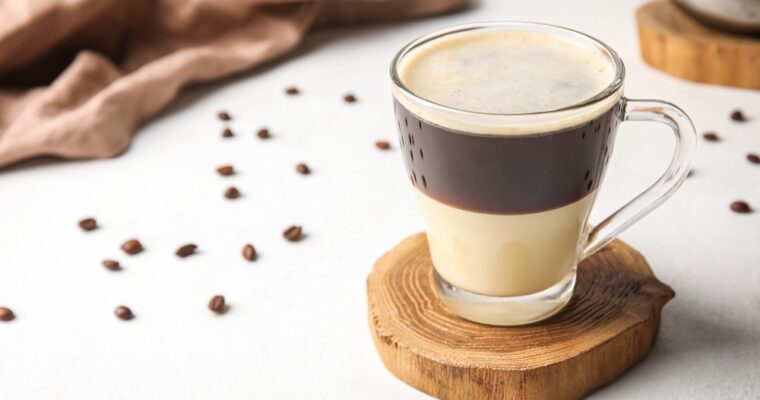
- Café bombón: A Valencian favorite, made with espresso and condensed milk.
- Tinto de verano: Spain’s summer wine spritzer—simple, refreshing, and iconic.
- Crema catalana: For a dessert pairing, this Spanish cousin of crème brûlée hits the spot.
These recipes share the same soul: bold flavors, warmth, and cultural pride. Each one is a new opportunity to dive deeper into Spanish food culture.
9. Common Mistakes When Making this Coffee
Avoid these pitfalls to ensure your carajillo hits the mark every time:
- Using cold or old coffee: Fresh espresso is non-negotiable.
- Skipping the warm-up: A cold glass ruins texture and temp.
- Overpowering the drink with too much alcohol: It’s about balance, not punch.
- Adding ice (unless you’re doing a Licor 43 version): A true carajillo is hot and concentrated.
- No layering: Dumping ingredients kills the visual appeal and flavor progression.
One tip I always emphasize: measure your liquor. The 2:1 ratio of coffee to alcohol is gold. Too much booze, and it’s a shooter. Too little, and it’s just a strong coffee.
10. Carajillo FAQ: Your Questions Answered
Can I use regular coffee instead of espresso?
Yes, but go for something bold and freshly brewed.
Is Licor 43 the traditional way to make a carajillo?
No, but it’s become a popular modern twist, especially in Mexico.
Do I have to flame the alcohol?
Not necessarily. It’s more common in the cremaet version, and it does add flavor—but it’s optional.
What’s the ideal time to serve a carajillo?
After lunch or dinner, as a digestif.
Can I make it dairy-free?
Absolutely. A classic carajillo has no cream or milk, making it naturally dairy-free.
11. Final Thoughts and Call to Action
The carajillo is more than a cocktail—it’s a ritual, a cultural snapshot, and a conversation starter. With its bold flavor and deep roots, it’s a drink that invites exploration and celebration.
If you’ve made it this far, I’d love to hear your version. Do you go for cremaet? Licor 43? Or are you a traditionalist like me?
Subscribe to our newsletter for more authentic recipes and insider tricks, or leave a comment below sharing your carajillo experience. Let’s keep this delicious tradition alive—one perfectly layered glass at a time
Perfect Carajillo: 3 Expert Tricks to Master it
Ingredients
- 1 shot 30 ml of espresso (freshly brewed)
- 15 ml 1 tbsp of brandy, rum, whisky, or Licor 43
- 1 tsp sugar optional
- Optional: cinnamon stick lemon or orange peel (for cremaet style)
Instructions
- Preheat the glass:Pour some hot water into your serving glass, swirl it around, then discard. This keeps your drink hot for longer and preserves the aroma.
- Heat the spirit (optional but recommended):In a small saucepan or metal spoon, gently warm your chosen liquor. If you’re using sugar, dissolve it now in the hot alcohol.For cremaet style: Add lemon or orange peel and a cinnamon stick to the liquor. Optionally, flambé it briefly to burn off some alcohol and infuse more flavor.
- Pour the liquor into the preheated glass:Make sure the alcohol is hot but not boiling. This forms the base layer of your drink.
- Carefully add the espresso:Use the back of a spoon to pour the espresso gently over the liquor. This helps create distinct layers: liquor on the bottom, coffee in the middle, crema on top.
- Serve immediately:The drink should be visually layered, hot, and aromatic. No need to stir. Sip slowly and enjoy.