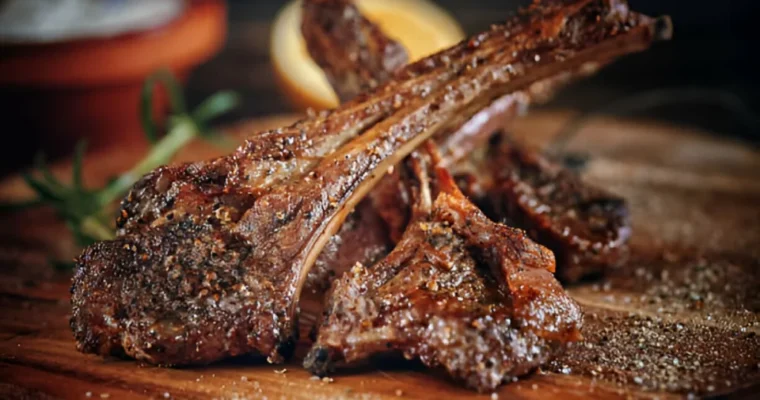
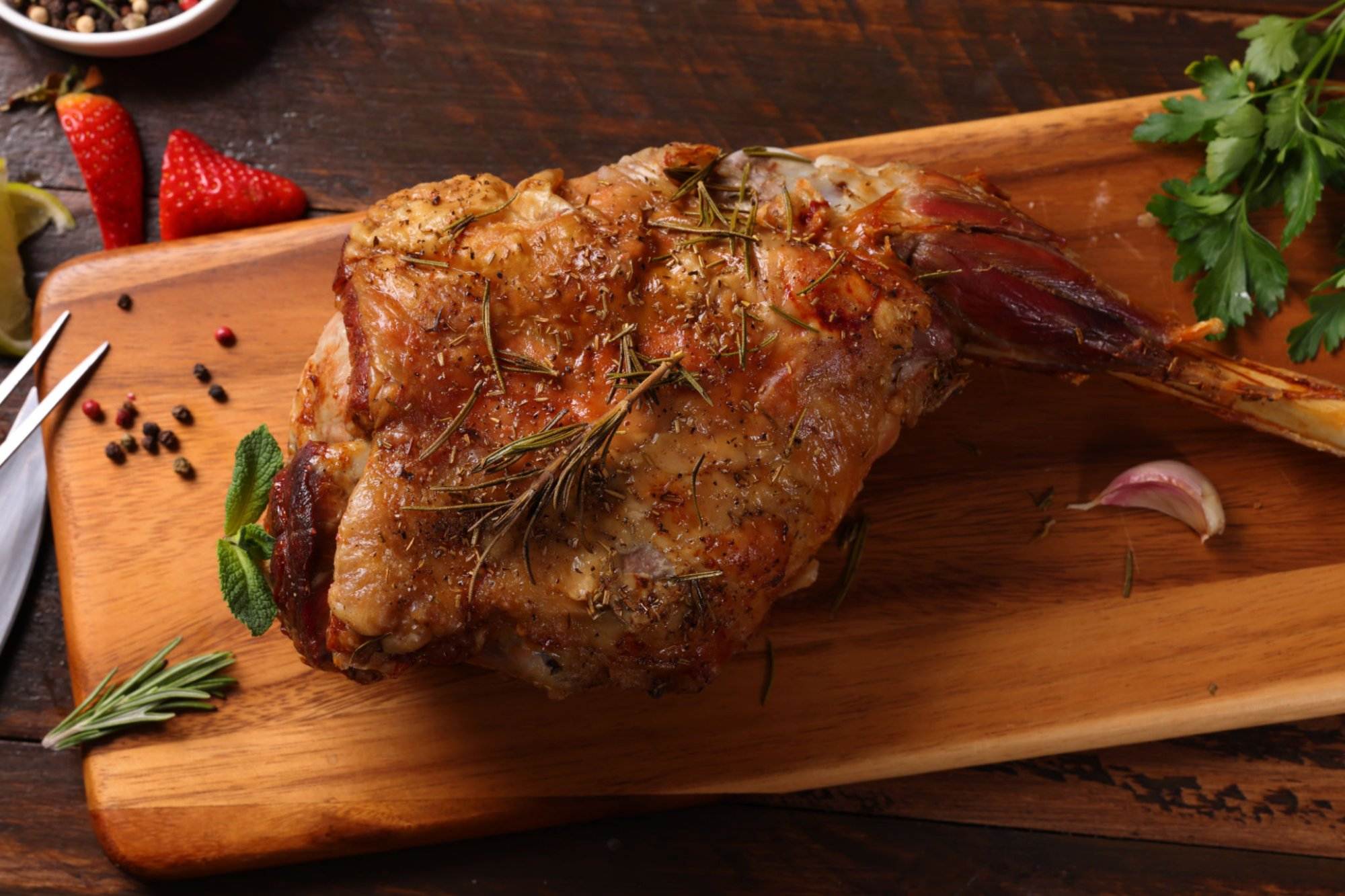
There’s something sacred about gathering around a table with a perfectly roasted lamb at the center—its crispy skin glistening, the aroma mingling with rustic herbs and garlic. In Spain, particularly in the heartland of Castilla y León, roast lamb—or cordero asado—is more than food. It’s an experience. A tradition. A way of life.
I first fell in love with roast lamb during a trip to Segovia. The simplicity of the ingredients contrasted sharply with the complexity of the flavor: tender, juicy meat that practically fell off the bone encased in a golden, crisp exterior. It was in that moment that I realized that Spanish roast lamb, especially when made with lechazo, milk-fed young lamb, is an art form passed down through generations.
If you’ve never tried making roast lamb the Spanish way or are looking to perfect your technique, you’re in for a treat. Whether you’re using a traditional wood-fired oven or your home appliance, these tips will help you recreate the magic of this iconic dish.
Table of Contents
2. The Cultural Roots of Roast Lamb in Spain
In regions like Segovia, Salamanca, and Burgos, roast lamb is a rite of passage. It’s the star of family gatherings, Sunday meals, and village celebrations. The preparation, often done with minimal ingredients, highlights the quality of the lamb and the skill of the cook rather than flashy techniques.
Historically, roasting lamb was a communal event. Wood-fired ovens—hornos de leña—were central to many Spanish towns. Locals would bring their lechazo to the bakery to be slowly roasted over embers. The method allowed for even cooking and that unmistakable smoky flavor.
This deep-rooted culinary tradition is still alive today. Restaurants proudly serve family recipes, and home cooks pass down their secrets like heirlooms. The ritual of roasting lamb connects the present with the past, embodying the soul of Spanish cuisine.
3. Lechazo vs. Older Lamb: What You Should Know
Understanding the type of lamb you use is critical to achieving authentic results. In Spain, lechazo refers to a suckling lamb—typically less than 6 weeks old—that has been fed exclusively on its mother’s milk. The result? A buttery-soft texture and subtle, sweet flavor that doesn’t require much seasoning.
In my own experience, lechazo is the gold standard. I prepared a paletilla (shoulder cut) from a local farm. The flesh was pale, the fat minimal, and the flavor was mild yet rich. Unlike older lambs, which can have a strong gamey taste, lechazo is delicate, making it ideal for roasting with just a touch of salt, garlic, olive oil, or pork lard.
If you can’t find lechazo, go for the youngest lamb, ideally under 3 months old. Avoid frozen or overly fatty cuts, which can compromise the tenderness and flavor.
4. Traditional Preparation Methods for Roast Lamb
Authentic cordero asado doesn’t require a pantry full of spices or complicated marinades. Spanish cooks rely on minimalism, allowing the meat to shine.
Here’s a traditional preparation:
- Ingredients: Lamb (preferably lechazo), coarse sea salt, garlic, lard or olive oil, and water.
- Setup: Place the lamb in a clay dish (or metal roasting pan if you don’t have one), skin side down. Add a bit of water to keep it moist during the slow roast.
- Oven: Use a wood-fired oven for that signature smokiness. At home, a conventional oven at 160–170°C (320–340°F) works just fine.
One tip from my experience: resist the urge to season too much. The meat should carry the dish. I’ve seen recipes use rosemary or thyme, but traditionalists stick to salt and garlic only.
5. How to Make Roast Lamb at Home Without a Wood Oven
Not everyone has access to a horno de leña, but don’t worry. You can still achieve incredible results using your home oven. Here’s how I adapted my recipe:
I preheated the oven to 170°C (340°F) and placed the lechazo shoulder in a shallow roasting pan. A small amount of water at the base kept the lamb juicy. Midway through cooking, I flipped the lamb to crisp up the skin. After about 2 hours and 30 minutes, the result was spectacular: golden-brown, crispy exterior with succulent meat underneath.
Tips for home cooks:
- Baste regularly: Use the pan juices to keep the lamb moist.
- Low and slow: Don’t rush. Gentle heat breaks down the fibers, making the meat tender.
- Finish hot: In the last 10–15 minutes, raise the temperature to get that perfect crisp.
6. 7 Proven Tips for Juicy, Crispy Roast Lamb
Here are the golden rules for mastering Spanish roast lamb, based on personal experience and culinary tradition:
- Use young lamb (preferably lechazo): Flavor and tenderness depend on the age of the animal.
- Don’t over-season: Salt, garlic, and fat are all you need.
- Choose the right cut: Shoulders are more tender; legs have more structure.
- Clay or shallow roasting pans work best: They help retain moisture and crisp the skin.
- Add a little water or broth: It keeps the lamb from drying out.
- Roast low and slow: The Ideal temperature is around 160–170°C.
- Flip once halfway through: Start skin-side down, then flip to brown the top.
In my own kitchen, I’ve found that paletilla (shoulder) gives you that melt-in-your-mouth texture, especially when roasted bone-in. There’s just something deeply satisfying about carving through tender meat with a fork, no knife needed.
7. What to Serve with Spanish Roast Lamb
Classic accompaniments are simple but essential. In Castilla, roasted lamb is almost always served with:
- Patatas panaderas (thinly sliced potatoes baked in oil and onions)
- Green salad with vinegar and olive oil
- Rustic bread to mop up juices
From my table, I love pairing it with roasted garlic bulbs or even a touch of red pepper jam on the side. The sweetness plays beautifully with the lamb’s richness.
8. Regional Variations: From Segovia to Salamanca
While the core preparation remains consistent, each province puts its spin on roast lamb.
- Segovia: Home to the famous lechazo asado, cooked in open clay ovens.
- Salamanca: Often includes wine in the roasting liquid for added depth.
- Burgos: Some chefs use a light paprika rub for a smoky edge.
During my travels, I tasted versions that included lemon zest or even a hint of bay leaf—delicious but still grounded in simplicity.
9. Related Spanish Recipes to Explore
Want to dive deeper into Castilian cooking? Here are a few dishes that pair wonderfully or build on the same philosophy of rustic elegance:
- Cochinillo asado (roast suckling pig)
- Migas castellanas (fried breadcrumbs with garlic and chorizo)
- Judiones de la Granja (giant white beans stewed with meats)
- Sopa castellana (garlic soup with poached egg)
These dishes, like cordero asado, are steeped in history and flavor.
10. Frequently Asked Questions about Roast Lamb
Can I use lamb from the supermarket?
Yes, but look for young cuts. Avoid overly fatty or frozen lamb if possible.
Is it necessary to marinate?
Not in traditional recipes. Let the meat speak for itself.
What temperature should the lamb reach?
Aim for an internal temp of 75°C (165°F) for well-cooked but still juicy lamb.
Can I prepare it in advance?
Yes. Reheat gently in the oven, covered with foil to retain moisture.
11. Conclusion: Keep the Tradition Alive
Roasting lamb the Spanish way is more than just a meal—it’s a celebration of culture, simplicity, and family. Whether you’re hosting a festive gathering or treating yourself to a Sunday feast, following these tips ensures a dish that honors tradition and satisfies the soul.
If you loved this guide, subscribe to our newsletter for more Spanish culinary secrets, or leave a comment below with your favorite roast lamb tip! Let’s keep this delicious tradition alive—one bite at a time.
Spanish Roast Lamb: 7 Proven Tips to Perfect it
Ingredients
- 1 Lamb shoulder (paletilla) – approx. 1.2 to 1.5 kg (2.6–3.3 lbs), preferably suckling lamb (lechazo)
- 4 Garlic cloves
- 2 tbsp Lard or extra virgin olive oil
- Coarse sea salt to taste
- 1 cup (250 ml) Water
- Optional: 1 sprig of rosemary or thyme (traditionalists skip herbs)
Instructions
- Preheat the oven:Set your oven to 170°C (340°F), using both top and bottom heat. If using a fan oven, reduce to 160°C (320°F).
- Prepare the lamb:Rinse the lamb shoulder if needed and pat it dry.Rub the meat with lard or olive oil and sprinkle generously with coarse sea salt.Crush the garlic cloves and spread them over the meat or place them in the pan.
- Set up the roasting tray:Use a clay baking dish if possible, or a shallow metal pan.Pour the water into the base of the tray to keep the meat moist.Place the lamb skin-side down in the tray.
- Roast slowly:Roast for 90 minutes, basting occasionally with the pan juices.After 90 minutes, carefully turn the lamb skin-side up.Continue roasting for another 60 minutes, or until the skin is golden and crisp.
- Rest and serve:Remove the lamb from the oven and let it rest for 5–10 minutes.Serve with roasted potatoes (patatas panaderas), a fresh salad, and rustic bread.