

Cochifrito or cuchifrito is one of those dishes that perfectly encapsulates the rustic elegance of Spanish cuisine. Originating in the heart of Castile, particularly in Segovia, it’s a culinary homage to the delicacy of suckling pig, cooked with simplicity but bursting with character.
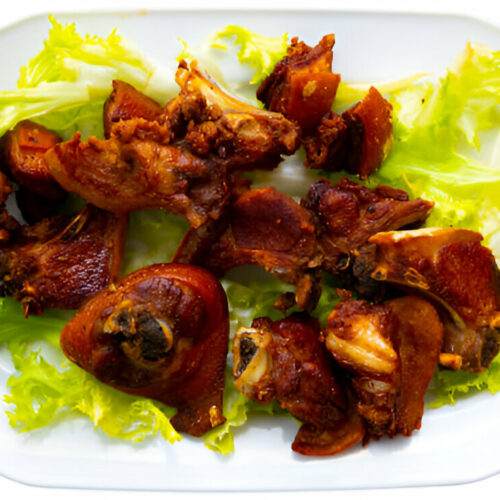
Traditionally, cochifrito is made using a young piglet, known as a cochinillo, cut into small pieces and fried to a golden crisp. The name itself combines “cochi” (from “cochinillo”) and “frito” (meaning “fried”), perfectly summarizing what it is: crispy-fried suckling pig.
What sets this dish apart isn’t just the technique; it’s the history and geography behind it. In Segovia, where the roasted suckling pig is iconic, cochifrito is a more casual alternative that preserves all the tender, juicy charm of cochinillo. Still, it adds a punch of crispy, garlicky delight.
This confession doesn’t just describe a preference; it reveals a personal love story with this dish, formed over years of travel and tradition. That affection will guide you through the rest of this recipe.
Table of Contents
Essential Ingredients for a Real Cochifrito
A successful cochifrito doesn’t require a long list of exotic ingredients. Like many traditional dishes, it relies on quality, technique, and timing.
Here’s what you’ll need:
- 1.5–2 kg of cochinillo (suckling pig), bone-in and cut into bite-sized pieces
- Extra virgin olive oil
- 6–8 garlic cloves, smashed
- Bay leaves
- Dry white wine (optional but highly recommended)
- Salt and pepper
- Lemon juice or wedges, for finishing (optional)
Let’s talk briefly about the star of the show: cochinillo. Not every butcher carries suckling pig, so you can substitute with pork belly or pork shoulder, just be aware that the texture and flavor will differ. That said, frying well-rendered pork belly can create similarly delicious results with crispy edges and juicy interiors.
Spain’s best versions often include preserved lemon or whole lemon in salsa verde, as seen in modern adaptations like those by José Pizarro or Angie’s Recipes. While not traditional, these additions brighten the dish and give it a new dimension.
Step-by-Step: How to Make Cochifrito at Home
You don’t need to book a flight to Segovia to taste a perfect cochifrito. Here’s how to bring it to your kitchen with full confidence.
1. Parboil the meat (optional but recommended):
This helps render some fat and tenderize the meat. Simmer pork pieces in lightly salted water for 10–15 minutes. Drain and pat them dry thoroughly.
2. Fry the garlic:
Heat a generous amount of olive oil in a large pan or cast-iron skillet. Add smashed garlic cloves and cook until golden, then remove and reserve.
3. Fry the pork:
Add pork pieces in batches to avoid crowding the pan. Fry over medium-high heat until golden and crispy. This can take 20–30 minutes, depending on the cut. Add bay leaves during the last few minutes of frying.
4. Deglaze and finish:
Some versions recommend adding a splash of dry white wine to the hot pan to deglaze and enhance flavor. Let it evaporate, then return the garlic to the pan.
5. Final touch:
Add a squeeze of lemon juice or serve with lemon wedges to cut through the richness.
Cooking at home brings out that nostalgic joy—one bite and you’re transported to a Castilian mesón, surrounded by stone walls, warm red wine, and rustic wooden tables.
Perfect Pairings: Sauces and Sides for Cochifrito
The boldness of cochifrito demands equally bold yet complementary side dishes. Here are our top pairing suggestions:
Traditional Pairings
- Patatas panaderas: Slow-roasted potatoes with onions and olive oil.
- Pimientos de Padrón: Fried green peppers, sprinkled with sea salt.
- Simple salad: A mix of lettuce, tomatoes, and onion with olive oil and vinegar.
Sauces (Optional but delicious)
- Salsa verde with lemon zest: Especially if you’re inspired by modern versions like Angie’s lemon-salsa twist.
- Garlic aioli: For a creamy contrast to the crispy pork.
- Salsa de pimientos: A light pepper-based sauce to enhance the savory bite.
Wine-wise, go for a Ribera del Duero red or a dry white Rueda. Either bring out the earthy tones of the pork.
Pro Tips to Recreate That Segovia Flavor
There’s an art to making cochifrito taste like the one you get in Segovia. These insider tips will elevate your home version:
- Dry the meat thoroughly: Moisture kills crispiness. Some chefs let the parboiled meat rest uncovered in the fridge overnight.
- Use a deep pan and enough oil: You’re not deep-frying, but you do want the pork to be bathed in hot oil.
- Don’t rush the frying: Let each piece get golden brown. It’s not fast food—it’s tradition.
- Infuse the oil: Fry the garlic and bay leaves first to flavor the oil before the pork hits the pan.
That phrase alone captures the pursuit of perfection. Replicating the dish at home isn’t just cooking, it’s reviving a memory.
Modern Twists on the Classic Cochifrito
While purists might resist, cochifrito lends itself well to modern adaptations:
- Using pork belly instead of suckling pig for wider accessibility.
- Adding preserved lemon to create brightness.
- Incorporating herbs like rosemary or thyme for aromatic depth.
- Serving it taco-style or in sliders, especially in gastro bars or food trucks.
Even José Pizarro’s celebrated version includes preserved lemon salsa, showcasing that authentic doesn’t mean rigid. If anything, it means starting with tradition and building creatively.
Spanish Dishes Related to Cochifrito You Must Try
If cochifrito whets your appetite, these other Spanish dishes are natural next steps:
- Cochinillo asado: The famous roasted suckling pig of Segovia.
- Lechazo: Roasted lamb, especially in Burgos or Valladolid.
- Costillas a la brasa: Char-grilled ribs, usually seasoned with garlic and paprika.
- Torreznos: Deep-fried pork belly strips with crispy skin.
All of these share a love for meat, fire, and bold seasoning, a trinity that defines Castilian cuisine.
Cochifrito FAQs: Your Questions Answered
Q: Can I make cochifrito with regular pork?
Yes. Pork shoulder or pork belly are great substitutes, though the suckling pig is traditional.
Q: Should I marinate the meat beforehand?
Not necessary, but a quick rub with garlic and herbs before cooking adds flavor.
Q: Can I use an air fryer?
Technically, yes, but results may lack the depth and texture of stovetop frying.
Q: How do I store leftovers?
Store in an airtight container for up to 3 days. Reheat in a hot pan or oven to restore crispiness.
Q: What’s the difference between cochifrito and cochinillo asado?
Cochifrito is fried in pieces, while cochinillo asado is roasted whole. Both are iconic but offer very different textures and presentations.
Final Thoughts
Cochifrito is more than a recipe; it’s a culinary heirloom. Whether you’re reviving a memory from Segovia or trying it for the first time, the dish delivers rustic comfort, crispy joy, and cultural depth in every bite.
Now it’s your turn:
Have you tried cochifrito before? Planning to cook it this weekend?
👉 Leave a comment below and tell us how it went.
👉 Or subscribe to our newsletter for more authentic Spanish recipes with a personal twist.
4 Irresistible Tips for Authentic Cochifrito Recipe
Ingredients
- 1.5-2 Kg Suckling pig (cochinillo), cut into small pieces
- 100 ml Extra virgin olive oil (for frying)
- 6-8 Garlic cloves, peeled and lightly crushed
- 2 Bay leaves
- 100 ml Dry white wine (optional, for deglazing)
- 1 tsp Salt, or to taste
- ½ tsp Black pepper, freshly ground
- 1 Lemon, cut into wedges or juiced (optional, for finishing)
Instructions
- Parboil the meat (optional but recommended):This helps render some fat and tenderize the meat. Simmer pork pieces in lightly salted water for 10–15 minutes. Drain and pat them dry thoroughly.
- Fry the garlic:Heat a generous amount of olive oil in a large pan or cast-iron skillet. Add smashed garlic cloves and cook until golden, then remove and reserve.
- Fry the pork:Add pork pieces in batches to avoid crowding the pan. Fry over medium-high heat until golden and crispy. This can take 20–30 minutes depending on the cut. Add bay leaves during the last few minutes of frying.
- Deglaze and finish:Some versions recommend adding a splash of dry white wine to the hot pan to deglaze and enhance flavor. Let it evaporate, then return the garlic to the pan.
- Final touch:Add a squeeze of lemon juice or serve with lemon wedges to cut through the richness.