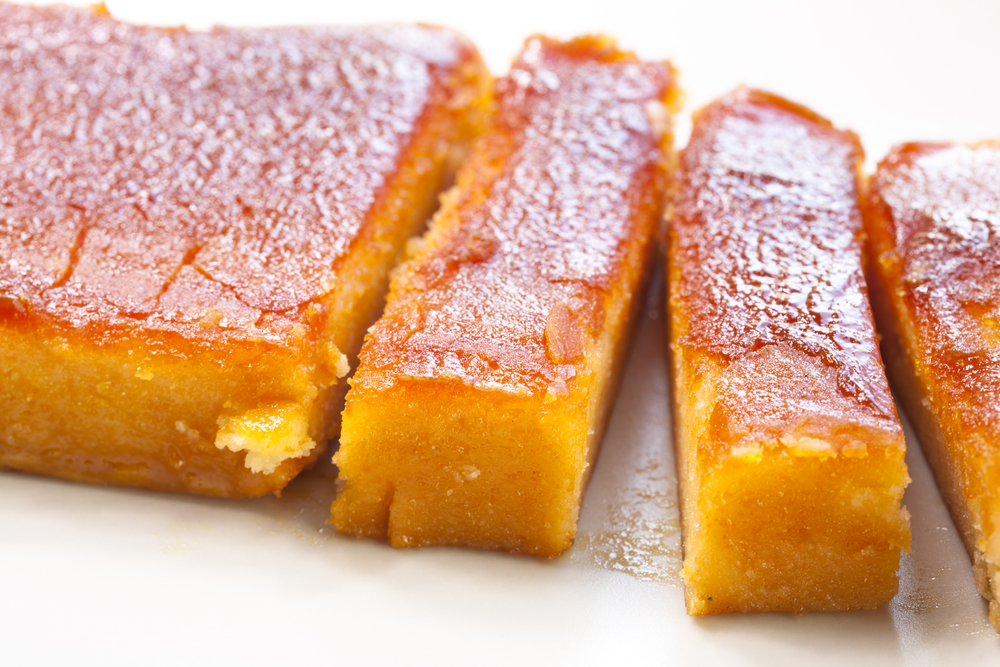

The Basque cake, or Gâteau Basque, is a traditional dessert from the Basque region, which straddles northern Spain and southwestern France. Though it’s a staple in both countries, its deepest roots lie in the French village of Cambo-les-Bains, where it originated in the 18th century. Back then, it was a humble cake made with just flour and was known as biochar.
During the early 19th century, the cake gained popularity among sailors stopping in the region, who affectionately dubbed it the cake of the Basques. From there, the name stuck. Eventually, it spread from Biarritz across the northern coast of Spain and became a cherished element of Basque culinary heritage. Today, it holds a place of honor in bakeries across the Basque Country, both on the Spanish and French sides.
What began as a simple country treat evolved into a dessert reserved for special occasions and Sunday meals, often filled with seasonal fruits such as cherries, blackberries, figs, or blueberries harvested from local farms.
Over the decades, this rustic pastry has become emblematic of Basque identity and culinary pride. A French quality seal protects its name, and there’s even a dedicated museum and festival in its honor in Cambo-les-Bains. Whether filled with pastry cream or fruit, the Basque cake is more than a dessert—it’s a slice of history.
Table of Contents
Basque Cake: Traditional Ingredients and Modern Variations
At its core, the Basque cake is a rich, buttery pastry shell filled with either pastry cream (crème pâtissière) or jammy fruit compote. The dough is similar to a cross between shortcrust and pound cake: tender yet firm enough to encase a dense filling.
Core ingredients:
- All-purpose flour
- Unsalted butter
- Granulated sugar
- Eggs
- Baking powder
- Lemon zest or vanilla
- Filling: pastry cream or black cherry jam
Traditionally, the cake was made with fruits local to the Basque region—cherries, figs, and blackberries—depending on the season. However, the 20th century saw a rise in the use of pastry cream, especially as refrigeration and modern kitchen equipment became more accessible.
Over time, modern bakers have experimented with the classic formula, leading to delightful innovations:
- Almond pastry cream
- Rum- or brandy-infused fillings
- Glazed tops or decorative patterns
- Hybrid versions with both fruit and cream
Still, purists maintain that the “true” Basque cake is filled with black cherry jam from Itxassou. Yet for many home bakers—including myself—pastry cream provides a luxurious, satisfying bite that balances perfectly with the soft crumb of the cake.
“We opted for the version with pastry cream and found it sublime. If you’re a fan of creamy desserts, you’ll absolutely love this.”
Pastry Cream or Fruit? The Filling Controversy
One of the longest-standing debates in Basque pastry circles is: What should go inside a Basque cake?
This culinary divide is centered on two camps:
- The traditionalists, who argue that only cherry jam, preferably made from the xapata cherry of the Basque town of Itxassou, is acceptable.
- The modernists, who champion pastry cream as the superior filling, smooth, velvety, and indulgent.
Historically, the earliest versions of the cake were filled with fruit, whatever was in season. Blackberries, cherries, and even figs were common. This reflects the humble agricultural origins of the dessert, where the filling was dictated by the rhythms of the harvest.
Pastry cream entered the scene in the early 20th century, thanks to advancements in culinary technique and equipment. It quickly gained popularity for its richness and stability, making it a perfect contrast to the sturdy outer dough.
“We chose the cream-filled version, and despite its departure from historical tradition, it was magnificent. The creamy center is decadent, and paired with the golden, crumbly shell—it’s perfection.”
Today, some bakeries even offer chocolate, hazelnut, or apple compote variants. But for the home baker, pastry cream and cherry jam remain the most beloved and accessible options.
Step-by-Step Guide to Making Basque Cake at Home
Creating a Basque cake might sound intimidating, but it’s manageable with the right preparation. Here’s how to do it in 7 essential steps.
Ingredients (for one 9-inch cake):
For the dough:
- 2 cups (250g) all-purpose flour
- 1/2 cup (100g) granulated sugar
- 1/2 tsp baking powder
- 1/2 tsp salt
- Zest of 1 lemon
- 10 tbsp (140g) unsalted butter, cold and cubed
- 2 egg yolks
- 1 whole egg
- 1 tsp vanilla extract
For the pastry cream:
- 2 cups (500ml) whole milk
- 1/2 cup (100g) sugar
- 4 egg yolks
- 1/4 cup (30g) cornstarch
- 1 tsp vanilla extract
Step 1: Make the pastry cream
Heat milk in a saucepan. In a bowl, whisk yolks, sugar, and cornstarch. Temper with hot milk, then return to heat and whisk until thickened. Add vanilla. Chill.
Step 2: Prepare the dough
In a bowl, mix flour, baking powder, salt, and lemon zest. Add butter and rub in with fingertips until sandy. Add yolks, egg, and vanilla. Mix until it forms a dough. Divide into two discs and refrigerate for at least 1 hour.
Step 3: Assemble the base
Roll out one disc and line a greased tart pan with it. Press into the corners.
Step 4: Add the filling
Spoon chilled pastry cream into the crust. Spread evenly.
Step 5: Top and seal
Roll out the second disc and place it on top. Seal edges by pinching. Chill again for 30 minutes.
Step 6: Glaze and decorate
Brush with egg wash. Use a fork to score a criss-cross pattern on top (traditional Basque touch).
Step 7: Bake
Bake at 350°F (180°C) for 40–45 minutes until golden brown. Let cool completely before serving.
“It’s a time-consuming but not difficult process. With a bit of planning and patience, you’ll be rewarded with one of the most traditional—and delicious—desserts in Basque cuisine.”
Expert Tips to Get the Perfect Texture and Taste
- Chill the dough: This dough is buttery and soft. Always chill before rolling, or it will tear.
- Don’t overfill: Too much cream or jam can cause leakage.
- Use a tart ring or removable bottom pan: This makes unmolding easier and helps the cake keep its shape.
- Score the top: Not only is it decorative, but it’s traditional.
- Rest before serving: Let it sit overnight for the flavors to meld.
Texture is everything: the crust should be crumbly but cohesive, not too dry nor underbaked. The filling must be thick and not runny. A perfect Basque cake slices clean and holds its shape.
Common Mistakes and How to Avoid Them
- Warm dough: Trying to roll dough that hasn’t been chilled long enough leads to cracks and tears.
- Runny cream: Undercooked pastry cream won’t hold. Make sure it’s thickened properly.
- Overbaking: If the top is too dark, the interior might still be raw. Keep an eye on the color, and test with a toothpick.
- Skipping the rest: Basque cake is best after a rest, ideally 8 hours or more.
Each of these issues is easily avoidable with some attention to detail. Don’t rush the chilling process, and measure ingredients accurately.
Pairing Ideas: What to Serve with Basque Cake
Basque cake pairs beautifully with a variety of drinks and accompaniments:
- Coffee or espresso: Balances the sweetness.
- Basque cider (sagardoa): A dry, slightly tart drink that cuts through the richness.
- Fresh berries: Adds a bright, fresh contrast.
- Whipped cream or crème fraîche: Especially if your filling is fruit-based.
- A glass of late harvest white wine, Like Jurançon or a sweet Riesling.
It also works well as a brunch dish or served alongside other Basque specialties like talo or gâteau Basque aux cerises.
Regional Variations: From Cambo-les-Bains to Biarritz
While Cambo-les-Bains is the recognized birthplace of the cake, each area adds its unique twist:
- Cambo-les-Bains: Traditional cherry jam, criss-cross top.
- Biarritz: Often pastry cream, served with whipped cream.
- San Sebastián: Lighter texture, often flavored with almond.
- Bayonne: Sometimes includes a touch of rum or brandy.
These differences reflect the local tastes and ingredients. Walking into any Basque bakery, you’re likely to find two or three variations of the dessert.
Where to Taste the Best Basque Cake in the Basque Country
If you’re traveling, don’t miss these places:
- Maison Pariès (Saint-Jean-de-Luz) is known for its elegant execution and silky pastry cream.
- Pâtisserie Adam (Cambo-les-Bains): Historic location, traditional recipe.
- La Viña (San Sebastián): While famous for cheesecake, their gateau basque is also noteworthy.
- Market stalls in Bayonne: Fresh, rustic versions made with seasonal fruits.
Tasting these side by side reveals the nuance in regional preferences and gives you inspiration for your next home-baked version.
Related Spanish Dessert Recipes Worth Trying
If you’re drawn to Basque desserts, you’ll likely enjoy these:
- Goxua: Another Basque sweet, layered with cream, sponge, and caramel.
- Tarta de Santiago: Almond-based Galician tart, gluten-free and intensely flavorful.
- Crema Catalana: Spain’s answer to crème brûlée.
- Churros con chocolate: A Madrid breakfast classic.
- Flan de huevo: Creamy and traditional across Spain.
These recipes echo similar themes: creamy textures, rustic simplicity, and deep cultural roots.
FAQ: All Your Basque Cake Questions Answered
Can I freeze Basque cake?
Yes, it freezes well. Wrap tightly and freeze for up to one month.
Can I use store-bought jam?
Absolutely. Opt for high-quality cherry preserves with low sugar.
Is this the same as Basque burnt cheesecake?
No. Basque cheesecake is a crustless cheese dessert. Gâteau Basque is a filled pastry.
Can I make it gluten-free?
Yes, use a gluten-free flour blend, but expect a slightly different texture.
How long does it keep?
It keeps for 4–5 days in the fridge, covered.
Final Thoughts
The Basque cake is a dessert that carries the soul of its region. It’s more than flour, butter, and cream—it’s history, tradition, and celebration in every bite. Whether you’re team cherry or team pastry cream, making this cake at home is a rewarding experience that connects you to centuries of culinary heritage.
“With a bit of organization and care, anyone can make this legendary dessert and enjoy one of the most iconic sweet recipes in our gastronomy.”
If this guide inspired you to bake your Basque cake, let us know!
Leave a comment, share your results, or subscribe to our newsletter for more traditional recipes delivered to your inbox.

Perfect Basque Cake: 7 Must-Try Steps to Make it
Ingredients
For the dough:
- 2 cups (250g) All-purpose flour
- 1/2 cup (100g) Granulated sugar
- 1/2 tsp Baking powder
- 1/2 tsp Salt
- Zest of 1 lemon
- 10 tbsp (140g) Unsalted butter, cold and cubed
- 2 Egg yolks
- 1 Whole egg
- 1 tsp Vanilla extract
For the pastry cream:
- 2 cups (500ml) Whole milk
- 1/2 cup (100g) Sugar
- 4 Egg yolks
- 1/4 cup (30g) Cornstarch
- 1 tsp Vanilla extract
Instructions
- Make the pastry cream:Heat milk in a saucepan. In a bowl, whisk yolks, sugar, and cornstarch. Temper with hot milk, then return to heat and whisk until thickened. Add vanilla. Chill.
- Prepare the dough:In a bowl, mix flour, baking powder, salt, lemon zest. Add butter and rub in with fingertips until sandy. Add yolks, egg, and vanilla. Mix until it forms a dough. Divide into two discs and refrigerate for at least 1 hour.
- Assemble the base:Roll out one disc and line a greased tart pan with it. Press into the corners.
- Add the filling:Spoon chilled pastry cream into the crust. Spread evenly.
- Top and seal:Roll out the second disc and place on top. Seal edges by pinching. Chill again for 30 minutes.
- Glaze and decorate: Brush with egg wash. Use a fork to score a criss-cross pattern on top (traditional Basque touch).
- Bake:Bake at 350°F (180°C) for 40–45 minutes until golden brown. Let cool completely before serving.