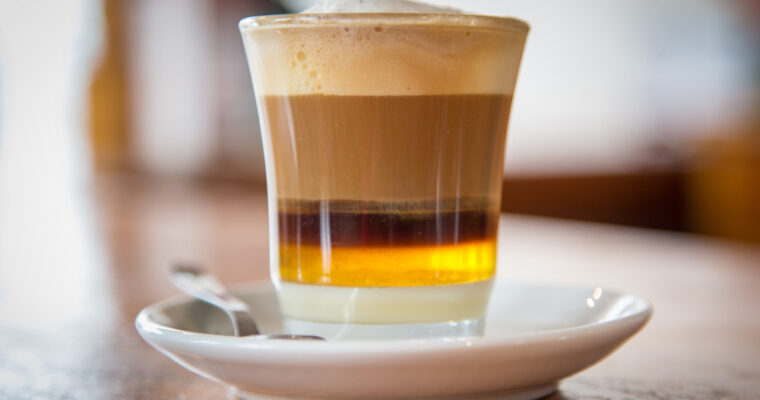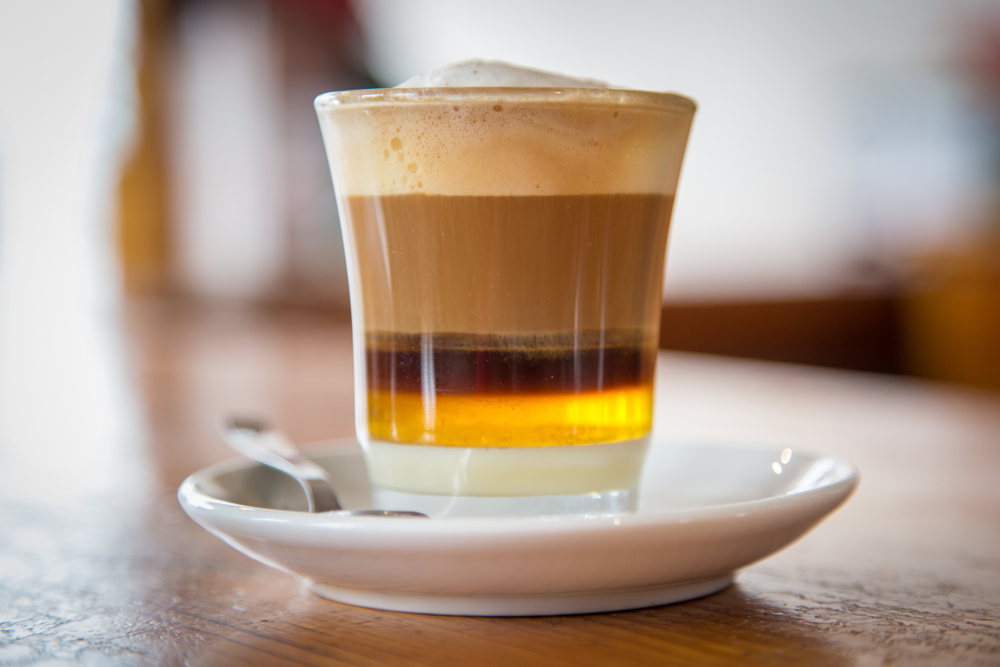
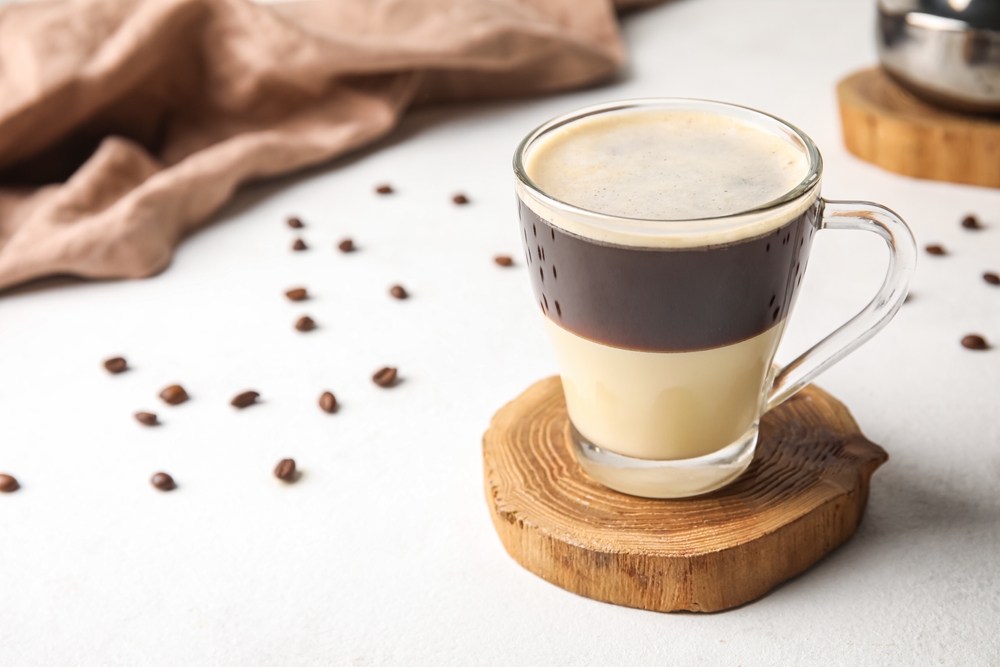
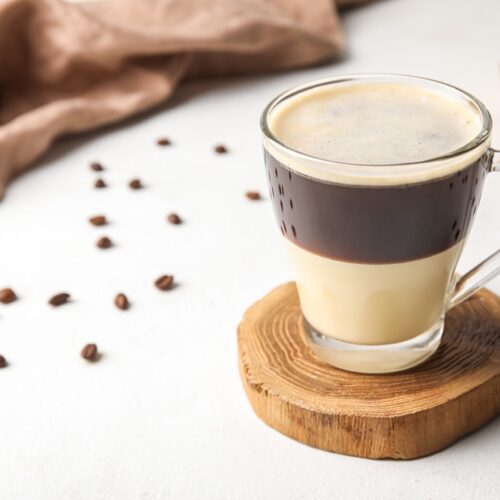
The café bombón is not your average cup of coffee; it’s a decadent, sweet, and visually stunning drink originating in Spain, specifically Valencia. This delightful espresso-based treat layers strong coffee with thick, sweet condensed milk to create a beautifully stratified beverage that’s as eye-catching as it is delicious.
While it has become popular in various countries, including adaptations in parts of Asia, the authentic Spanish version remains iconic. Served typically in a small glass rather than a ceramic cup, café bombón is meant to be savored slowly, with its rich texture and sugary punch delivering both comfort and flair.
If you’re someone who enjoys your coffee with an indulgent twist, this is for you. But be warned, it’s only for those who want their coffee on the sweet side.
Table of Contents
Ingredients You Need: Just Two, But Crucial
You only need two ingredients to make a traditional café bombón, but their quality matters greatly:
- Espresso: Strong, concentrated, and freshly brewed.
- Sweetened condensed milk: Thick, sugary, and silky.
That’s it. No syrups, no frothy milk, no spices—just the perfect balance of bitter and sweet.
In my experience, it’s essential to use high-quality espresso. If the coffee is too weak or watery, the final drink becomes unbalanced and overly sweet. I always go for a double shot pulled tight and rich. As for the condensed milk, brands can vary in sweetness and texture, so choose one that has a dense, pourable consistency.
Perfect Proportions: How to Balance Flavor and Texture
The golden rule? Equal parts of espresso and condensed milk.
It might be tempting to eyeball it, but precision is key to experiencing the iconic dual-layered look and the ideal flavor balance. I use a simple trick at home: first, I pour the condensed milk into the glass until it fills about halfway, then I slowly layer the espresso on top.
This way, each sip delivers that magical contrast—sweet at first, then bold and rich as the layers mix.
Tools and Presentation: Why a Glass Cup Matters
A café bombón isn’t just about taste, it’s also about presentation.
Use a clear glass cup, ideally with a narrow bottom and wide top. This shape accentuates the two layers, giving the drink its signature aesthetic. Never use a mug or ceramic cup for this drink—you’d miss half the fun.
A teaspoon with a long handle helps mix gently if preferred. But truth be told, I rarely mix mine until I’m halfway through; I enjoy seeing the layers slowly swirl together as I sip.
The coffee needs to be hot, and the glass should be sturdy enough to handle high temperatures. I preheat mine with a splash of hot water before pouring anything in.
Step-by-Step: How to Make a Café Bombón at Home
Here’s how I prepare a flawless café bombón every time:
Ingredients:
- 1 shot (30 ml) of strong espresso
- 30 ml of sweetened condensed milk
Instructions:
- Warm the glass: Pour in hot water, swirl, and discard.
- Add condensed milk: Pour exactly 30 ml into the bottom of the glass.
- Prepare your espresso: Brew a fresh shot, preferably using a machine or Moka pot.
- Pour slowly: Gently pour the espresso over the back of a spoon so it floats on top without mixing.
- Serve immediately: Accompanied by a long spoon for optional mixing.
Trust me, watching those two layers hold their own before slowly blending is a pleasure every coffee lover should experience.
Serving Technique: How to Get the Perfect Layered Look
Creating the perfect layer is where most people get it wrong. The trick? Density and pouring speed.
Condensed milk is significantly heavier than espresso, so it naturally sinks. But if you pour the espresso too quickly, it will break the surface tension and mix into the milk, losing that crisp line between the layers.
Here’s my trick: I pour the espresso over the back of a spoon, just above the milk’s surface. This disperses the weight and helps the espresso settle gently on top. It’s an extra step, yes, but it makes all the difference.
And always pour immediately after brewing, a fresh espresso holds its crema better and forms a cleaner visual line.
Creative Variations: From Foam to Cocoa Dusting
While purists insist on keeping it traditional, there’s room to experiment:
- With foam: Add a thin layer of microfoam on top for a cappuccino-like texture.
- With a sprinkle of cocoa powder: For a mocha-inspired twist.
- With a hint of cinnamon or nutmeg: Perfect for fall or holiday gatherings.
- Iced version: Pour over ice and stir. Ideal for summer afternoons.
I love adding a light dusting of cinnamon on top when I serve it after dinner. It’s just the right touch to make it feel even more indulgent.
Spanish Coffee Recipes You Should Also Try
If you love café bombón, Spain has more to offer in the coffee department. Here are some classics worth exploring:
Café con Leche
Carajillo
Espresso with a shot of liquor, traditionally brandy. Bold and warming, ideal for winter nights.
Café Cortado
Exploring these helped me appreciate the diverse coffee culture in Spain. Café bombón may be my favorite, but each of these has its charm.
Frequently Asked Questions About Café Bombón
Can I use regular coffee instead of espresso?
You can, but the result won’t be the same. Espresso’s concentration and crema are essential for the layered look and flavor balance.
Is there a vegan version?
Yes, swap sweetened condensed milk for coconut condensed milk or other plant-based versions. Just be sure it’s thick and sweet.
Can I make it in advance?
It’s best made fresh. However, pre-pour the condensed milk and prepare the espresso right before serving.
Do I mix the layers before drinking?
It’s up to you. Some prefer sipping it as-is, enjoying the contrast. Others stir gently to blend the flavors.
Expert Tips: Mistakes to Avoid and Flavor Enhancements
- Don’t use cold espresso: It loses crema and doesn’t layer well.
- Avoid watery coffee: The drink becomes unbalanced.
- Don’t pour too fast: You’ll lose the visual layering.
- Use real condensed milk: Not evaporated milk—they’re different products.
Whenever I introduce someone to café bombón, I remind them that it’s not about volume—it’s about intensity. This isn’t your morning caffeine fix. It’s a sweet indulgence, a treat to be enjoyed slowly, ideally with good company and a small spoon.
Conclusion and Final Thoughts
Making a café bombón is simple in steps, but rich in experience. Its elegance lies in its balance, its visual appeal, and the pure pleasure it brings in just a few sips.
If you’ve never tried it before, I encourage you to follow this guide, grab a proper glass, and take a moment to enjoy this layered marvel. Whether you enjoy it as a dessert coffee or a mid-day pick-me-up, café bombón is one of Spain’s hidden gems.
Tried this recipe? Share your thoughts in the comments or let me know your twist!
Want more coffee recipes and Spanish culinary inspiration? Subscribe to my newsletter, and you’ll get the good stuff, no spam.
Café Bombón: 4 Ultimate Variations to Master it
Ingredients
- 30 ml Strong espresso 1 shot
- 30 ml of sweetened condensed milk
Instructions
- Warm the glass: Pour in a bit of hot water, swirl, and discard.
- Add condensed milk:Pour exactly 30 ml into the bottom of the glass.
- Add condensed milk: Brew a fresh shot, preferably using a machine or Moka pot.
- Pour slowly: Gently pour the espresso over the back of a spoon so it floats on top without mixing.
- Serve immediately: Accompany with a long spoon for optional mixing.