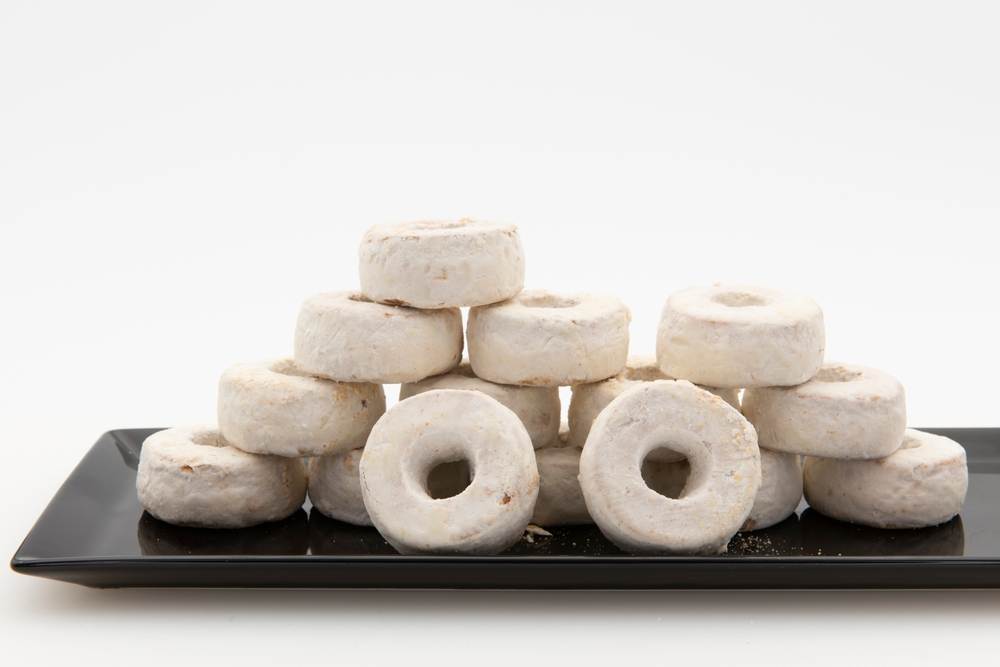
The inspiration for this recipe came to me unexpectedly, during a casual chat with my mother. She told me that a bakery in a Murcia neighborhood had started selling a new sweet treat: tiny orange-flavored donuts that, according to her, were addictive. That little story triggered a craving I couldn’t ignore.
I dove into my saved recipe collection and baked something inspired by that description but with a personal twist: soft, delicious Spanish wine donuts made with white wine, olive oil, and lemon. They’re perfect for afternoon gatherings, commonly paired with coffee, a sweet liqueur, or hot chocolate.
There’s something uniquely comforting about making a traditional Spanish dessert from scratch. Maybe the scent of citrus in the air or the texture of dough reminds you of festive afternoons spent with family. Either way, these donuts—also known as roscos de vino—are more than just food. They’re a memory in the making.
Table of Contents
What are Spanish wine donuts, and why are they so unique?
Spanish wine donuts, or Roscos de vino, are traditional pastries with deep cultural roots, especially popular during the Christmas season. Though they’re made year-round in some regions, their connection to holiday nostalgia is undeniable.
Unlike typical fried donuts, these are baked and made with white wine, a standout ingredient that gives the dough a subtle, aromatic depth. Most versions include olive oil, lemon or orange zest, sugar, and flour. Sometimes they’re finished with a dusting of powdered sugar, though rustic versions skip that entirely.
What makes them truly unique is the combination of simplicity and flavor. There’s no leavening agent, so no long waiting periods. The wine gives a subtle sweetness without overpowering the dough, and the citrus cuts through for a balanced bite. Add an optional splash of anise liqueur for a real dessert you’ll love.
Essential ingredients for perfect Spanish Wine Donuts
You don’t need fancy tools or hard-to-find items to make traditional Spanish wine donuts. Most of these ingredients are pantry staples, but it’s their combination that creates magic:
- White wine – dry and aromatic, the soul of the dough
- Olive oil – extra virgin for the best flavor
- Flour – all-purpose works just fine
- Sugar – usually white, but light brown is acceptable
- Lemon zest – or orange, depending on your preference
- Anise liqueur (optional) – for that authentic holiday touch
- Baking powder – to lift the dough slightly
- Salt – just a pinch to balance everything
- Powdered sugar – for dusting after baking
Your dough will come together in under 15 minutes and, once shaped and baked, will fill your kitchen with a warm, citrusy scent that’s hard to beat.
“I couldn’t resist adding a touch of anise liqueur to the dough, but it can be replaced with lemon juice or a bit more wine in the mix,” I noted as I tweaked my version.
Step-by-step recipe with lemon and anise twist
Here’s how to make your batch of Spanish wine donuts with a fresh citrus twist:
1. Preheat your oven to 180ºC (356ºF). Line a tray with parchment paper.
2. Mix the wet ingredients:
In a large bowl, combine 100 ml of white wine, 100 ml of olive oil, the zest of one lemon, and a splash (about 1 tbsp) of anise liqueur.
3. Add dry ingredients:
Gradually stir in 250 g of flour, 50 g of sugar, 1 tsp of baking powder, and a pinch of salt. Knead until the dough is soft but not sticky. Adjust the flour slightly, depending on the humidity.
4. Shape the donuts:
Roll out the dough to about 1 cm in thickness. Use a round cutter or glass to cut circles and a smaller cutter for the holes. Place on a baking tray.
5. Bake:
Bake for 18–20 minutes or until slightly golden. Don’t let them brown too much, or they’ll dry out.
6. Cool and dust:
Let them cool completely before dusting them with powdered sugar.
These are best eaten the next day when the flavors have had time to meld. Trust me, it’s worth the wait.
Tasty variations: orange zest, extra wine, or cocoa
While the classic lemon and wine combo is unbeatable, there’s plenty of room to get creative:
- Orange zest instead of lemon: For a sweeter, more floral profile
- Extra wine, less anise: For a purer wine-forward flavor
- Swap anise for cinnamon or vanilla: It´s ok if you’re not a fan of licorice
- Add cocoa powder for a subtle chocolate version
- Gluten-free version: Use a gluten-free flour blend
“No doubt, you could make these with orange instead of lemon, but I wanted that more acidic edge. Plus, I think lemon pairs perfectly with wine in sweets like this.”
Storage tips and how to serve them like a local
Spanish wine donuts are stored wonderfully, making them ideal for gifting or long celebrations.
- Store in an airtight container for up to 10 days
- Keep in a cool, dry place (no fridge needed)
- Layer with parchment paper to avoid sticking
- Dust with more powdered sugar before serving if needed
Serve them like the locals do:
- With espresso or café con leche
- Alongside a small glass of sweet Moscatel wine
- Paired with chocolate a la taza on chilly evenings
Perfect for sobremesas, that magical Spanish tradition of lingering at the table after meals.
Perfect pairings: coffee, sweet liqueurs, or hot chocolate
You don’t need to serve these alone. Here are some favorite pairings:
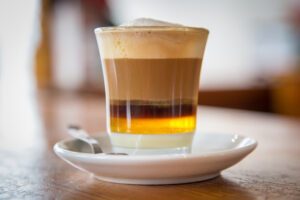
- Café bombón – espresso with sweetened condensed milk
- Licor 43 or anís dulce – a sweet shot to sip
- Cava or sparkling wine – great for festive occasions
- Spiced hot chocolate – thick and rich, perfect for dunking
They also pair nicely with vanilla ice cream for a hot-cold contrast you wouldn’t expect.
Other traditional Spanish desserts you’ll love
If you liked Spanish Wine Donuts, you’ll likely enjoy:
- Polvorones – crumbly almond shortbreads
- Mantecados – another holiday staple, softer than polvorones
- Torrijas – Spain’s answer to French toast
- Buñuelos de viento – airy fritters, sometimes filled with cream
- Pestiños – honey-glazed pastries from Andalusia
Each region of Spain has its take on sweets, and everyone tells a story.
FAQ: Everything you need to know about Spanish Wine Donuts
Are these donuts made with wine?
Yes! White wine is used in the dough to add aroma and tenderness. It bakes out during cooking, so it’s family-friendly.
Can I make them without alcohol?
Definitely. Grape or lemon juice would be a good substitution. Don´t use the anise.
How long do they last?
Up to 10 days in an airtight container.
Do I need a donut cutter?
No. Use a glass for the outer ring and a bottle cap for the inner circle.
Can they be fried?
Traditionally, they’re baked—but you can fry them if you prefer a crunchier result.
Final thoughts
Spanish wine donuts are one of those recipes that feel timeless. Whether you make them with lemon, orange, or a splash of anise, they carry a sense of home, family, and comfort.
If you try this recipe, I’d love to hear how it turned out. Did you add your twist? Swap in a new ingredient? Let me know in the comments.
If you want more traditional Spanish recipes (with a personal touch), subscribe to the newsletter. Fresh content and real stories will be delivered right to your inbox.
Spanish Wine Donuts: 5 Irresistible Twists you Should Try!
Ingredients
- 250g All-purpose flour
- 100 ml White wine
- 100 ml Extra virgin olive oil
- 50 g White sugar
- Zest of 1 lemon (or orange)
- 1 tbsp Anise liqueur (optional)
- 1 tbsp Baking powder
- 1 Pinch of salt
- Powdered sugar (for dusting)
Instructions
- Preheat your oven to 180ºC (356ºF). Line a tray with parchment paper
- Mix the wet ingredients:In a large bowl, combine 100 ml of white wine, 100 ml of olive oil, the zest of one lemon, and a splash (about 1 tbsp) of anise liqueur.
- Add dry ingredients:Gradually stir in 250 g of flour, 50 g of sugar, 1 tsp of baking powder, and a pinch of salt. Knead until the dough is soft but not sticky. You may need to adjust flour slightly depending on humidity.
- Shape the donuts:Roll out the dough to about 1 cm thickness. Use a round cutter or glass to cut circles, and a smaller cutter for the holes. Place on baking tray.
- Bake:Bake for 18–20 minutes or until slightly golden. Don't let them brown too much or they’ll dry out.
- Cool and dust:Let them cool completely before dusting with powdered sugar.These are best eaten the next day, when the flavors have had time to meld. Trust me—it’s worth the wait.