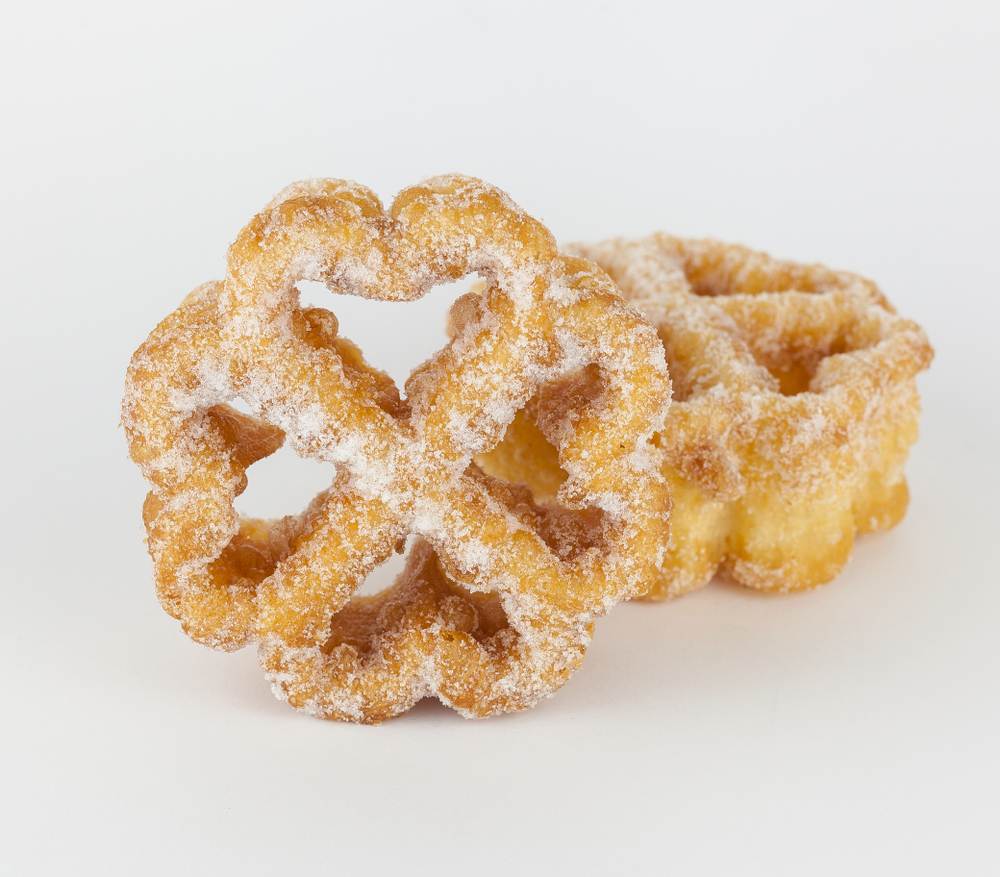
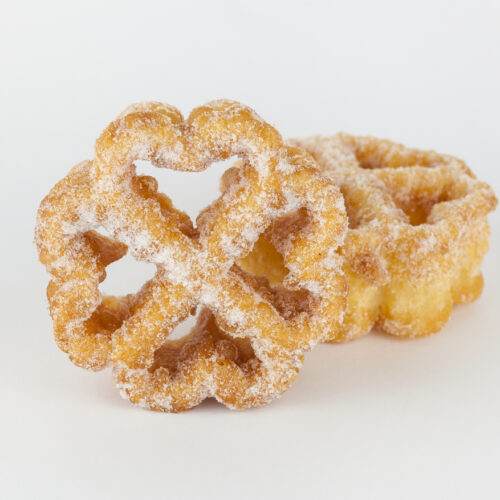
If you’ve ever wandered through a Spanish kitchen during Carnival or Holy Week, there’s a good chance you’ve encountered the unmistakable scent of freshly fried flour and aniseed. These delicate, crisp treats, Flores fritas or florones, are as beautiful as they are delicious. Shaped like blossoms and made using an iron mold, Spanish fried flowers are an edible representation of a springtime celebration.
More than a dessert, Flores fritas carry generations of cultural and familial history. They’re deeply rooted in Catholic traditions, where abstaining from meat during Lent was balanced by a wealth of sweet recipes. While commonly associated with Semana Santa (Holy Week), their vibrant presentation and delightful crunch make them a favorite all year round, especially during Carnival season.
These aren’t just fried sweets. Their preparation requires a bit of patience and precision. The result is a stunningly crisp, lightly flavored flower ideal for serving guests, sharing with family, or simply indulging with a coffee.
As someone who eagerly anticipates Spanish seasonal sweets, I can honestly say that fried flowers hold a special place in my kitchen. “The typical sweets and desserts of Carnival and Easter are among my favorites,” I always say. In my household, we don’t wait for Lent to roll around to enjoy them—we fry flowers whenever we feel festive. And makes them magical: they’re seasonal by tradition but timeless by joy.
Table of Contents
2. From Lent to Carnival: A Sweet Spanish Tradition
The story of flores fritas is one of Spanish resourcefulness and culinary artistry. These desserts emerged from a cultural and religious context where meat was prohibited, but celebration was not.
During Lent, particularly in rural Spain, families would turn to flour, eggs, milk, and a touch of aniseed or citrus zest to create confections for the lack of hearty dishes. From La Rioja to Castilla-La Mancha, every region developed its take on fried flowers, often passing down molds and variations from mother to daughter, generation after generation.
They are especially popular in central and northern Spain, but variations also appear in parts of Andalusia and Extremadura, often with regional tweaks. Some versions are dusted with powdered sugar; others are bathed in honey syrup.
In my family, we call them “Flores de carnaval.” I remember making them side by side with my grandmother. “We don’t wait for Lent to enjoy fried sweets,” she used to say, and neither do I. There’s always something festive about preparing them—even if it’s just a rainy Sunday.
Their fragile beauty makes them stand out even among other Spanish desserts. The crispy, golden petals resemble delicate lace, and despite their humble ingredients, they are breathtakingly elegant on a plate.
3. Ingredients You Need for Authentic Spanish Flores Fritas
Like many traditional recipes, flores fritas rely on simple pantry staples, but don’t be fooled. Getting the right ratios and texture is essential for success. Here’s what you’ll need:
Basic Ingredients:
- 2 eggs
- 250 ml milk (whole or semi-skimmed for best flavor)
- 150 g all-purpose flour
- 2 tablespoons sugar
- Zest of 1 lemon or orange
- 1 tablespoon anise liqueur or vanilla extract
- A pinch of salt
- Sunflower or light olive oil for frying
- Powdered sugar or cinnamon sugar for dusting
Optional Touches:
- A touch of ground aniseed for extra depth
- Honey diluted with warm water as a glaze
Special Equipment:
- Iron flower mold (molde de florones): You can find it in many Spanish markets or ferreterías (hardware stores) and increasingly online.
“The mold can be found in hardware stores,” I often tell friends who ask where to get one. It may seem niche, but it’s a crucial part of the recipe—giving the treat its shape and crispness.
4. Step-by-Step Recipe: How to Make Spanish Flores Fritas
Step 1: Prepare the Batter
In a mixing bowl, beat the eggs and sugar until frothy. Add the milk, citrus zest, and anise liqueur. Gradually whisk in the flour and salt until the batter is smooth. It should be slightly thicker than crepe batter—thin, but not watery.
Let the batter rest for 20–30 minutes. This allows the flour to hydrate and improve its texture.
Step 2: Heat the Oil and Mold
Pour enough oil into a deep frying pan or saucepan to submerge at least half the height of your mold. Heat the oil on medium until it reaches 180°C (356°F). Place the metal mold into the oil and let it heat thoroughly. This is critical.
Step 3: Dip and Fry
Remove the hot mold from the oil and immediately dip it into the batter. Do not submerge it completely, only to the edge of the mold. If the batter gets over the edge, it won’t release properly.
Quickly transfer the batter-covered mold into the hot oil. Hold it in the oil without moving until the flower starts to loosen and detach from the mold. Fry the flower until golden on both sides, flipping once.
“This recipe isn’t exactly hard,” I always warn, “but it does require attention to detail, especially when it comes to dipping and releasing the mold. It’s easy to get discouraged, but totally worth it.”
Repeat the process, reheating the mold each time before dipping again.
Step 4: Drain and Serve
Remove the flower with a slotted spoon and place it on paper towels. Once slightly cooled, dust with powdered sugar or drizzle with honey.
5. 7 Expert Tips to Avoid Mistakes When Frying Flores Fritas
- Heat the mold thoroughly before dipping it into the batter.
- Don’t dip the mold too deep—only to the edge.
- Let the batter rest to improve texture and adherence.
- Use light, neutral oil to avoid overpowering the flavor.
- Keep your oil at a consistent temperature—180°C is ideal.
- Tilt the pan slightly when the flower doesn’t release from the mold.
- Don’t panic if a few breaks—it takes practice.
These aren’t just suggestions; they come from trial and error. “I won’t lie to you,” I often admit, “this recipe is tricky. But if you nail the temperature and mold technique, the rest is a joy.”
6. Recipe Variations: Modern Twists on a Classic Treat
While traditional Flores fritas are perfect as-is, many cooks like to add a personal touch:
- Swap lemon zest for orange or lime for a different aroma.
- Add cocoa powder to the batter for a chocolate variation.
- Drizzle with dulce de leche instead of honey.
- Infuse the batter with lavender or rosewater for a floral note.
Some even make savory versions using less sugar and serving them with cheese or dips.
And remember: this is a versatile recipe. “Don’t be afraid to try different versions,” I encourage friends. “The core remains the same, and it’s always delicious.”
7. Where to Find the Right Mold for Spanish Flores Fritas
Your Flores Fritas are only as good as your mold. These unique flower-shaped irons are traditionally made from cast iron or aluminum and come in a few size variations.
You can find them at:
- Spanish ferreterías (hardware stores)
- Online retailers specializing in Spanish cookware
- Artisan cookware fairs
Look for molds with well-defined edges, as they produce crisper, more detailed flowers.
Pro tip: Buy a mold with a long, heat-resistant handle, especially if you’re using a deep pan.
8. Best Pairings: What to Serve with Spanish Flores Fritas
Once golden and dusted, Flores Fritas shine on their own—but they pair wonderfully with:
- Spanish hot chocolate
- Café con leche
- Sweet sherry or Málaga wine
- Custard or crema pastelera
- Fruit compote or marmalade
Serving them as part of a dessert platter during Lent or Carnival celebrations makes them even more festive.
9. Related Recipes: Other Traditional Spanish Desserts
If you love flores fritas, you’ll likely enjoy these Spanish classics:
- Torrijas – Spain’s version of French toast, soaked in milk or wine and fried.
- Buñuelos de viento – Light, airy fritters often filled with custard or cream.
- Rosquillas de anís – Anise-scented doughnuts perfect for Easter.
- Leche frita – Fried milk pudding with a cinnamon crust.
These recipes share the same roots: simple ingredients, deep flavor, and timeless tradition.
10. FAQ: Everything You Need to Know About Flores Fritas
Q: Can I make fried flowers without a mold?
A: Technically, no. The mold is essential for the flower shape and texture.
Q: How long do they last?
A: Eat them best within 24 hours, but they can be stored in an airtight container for 2–3 days.
Q: Can I freeze them?
A: Not recommended. They lose their crispness after thawing.
Q: Can I make them gluten-free?
A: Yes, with a gluten-free flour blend—though texture may vary.
11. Final Thoughts: Try It Yourself and Share the Joy
Spanish Flores Fritas are more than a sweet treat, they’re a cultural experience. They require patience, but the reward is pure joy: crispy, fragrant, beautiful flowers that bring tradition to life.
I’d love to hear if you’ve tried this recipe or have your family’s version.
Leave a comment below or subscribe to the newsletter for more traditional Spanish recipes brought to life with personal stories and expert tips.
Spanish Flores Fritas: 7 Expert Tips to Perfect Them
Equipment
- 1 Iron flower mold (molde de florones) You can find it in many Spanish markets or ferreterías (hardware stores), and increasingly online.
Ingredients
Basic Ingredients:
- 2 Eggs
- 250 ml Milk (whole or semi-skimmed for best flavor)
- 150 g All-purpose flour
- 2 tbsp Sugar
- Zest of 1 lemon or orange
- 1 tbsp Anise liqueur or vanilla extract
- A pinch of salt
- Sunflower or light olive oil for frying
- Powdered sugar or cinnamon-sugar for dusting
Optional Touches:
- A touch of ground aniseed for extra depth
- Honey diluted with warm water as a glaze