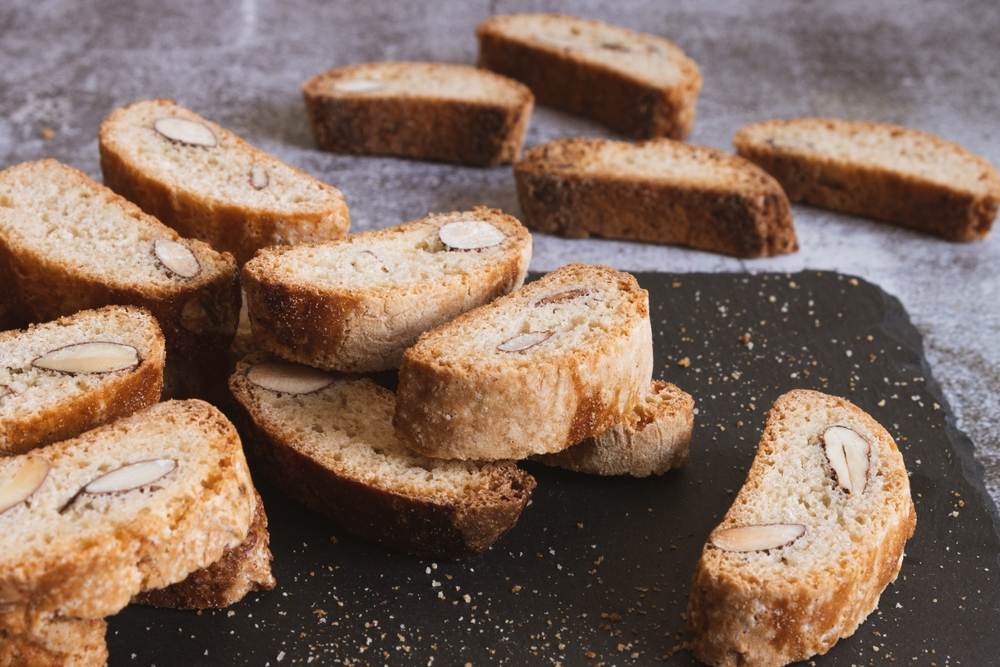
Carquiñoles, also known as carquinyolis in Catalan, are crunchy almond cookies that have become an emblematic sweet in Catalonia, especially in the region of Girona. Often compared to Italian biscotti or French croquants aux amandes, these double-baked delights are an essential treat for coffee breaks, festive gatherings, and even as an elegant edible gift.
What sets carquiñoles apart is their firm texture and intense almond flavor. They are sturdy, lightly sweetened, and carry a satisfying crunch with every bite. Unlike many cookies, they are not overly buttery or soft, and that’s exactly the point. They’re made to be dunked in coffee, wine, or even liqueur, making them perfect for long, indulgent sobremesas.
Table of Contents
Origins and Cultural Roots of Catalan Biscotti
While similar to other European almond biscuits, carquiñoles are deeply rooted in Catalan culinary heritage. Their name is thought to derive from the word carcanyola, which refers to something hard or crisp. This crunchy texture is exactly what traditionalists seek in the perfect carquiñol.
I first discovered the true essence of carquiñoles during a class at Tots a Taula, a charming cooking school in Girona. It wasn’t just about learning the recipe — it was about understanding how food connects with culture, tradition, and community. These cookies are more than just a snack; they are part of a generational ritual passed down through Catalan kitchens.
Their presence during festive seasons, holidays, and family reunions highlights their cultural value. They’re typically prepared in batches, stored in tins, and enjoyed over several weeks without losing their delightful crunch.
Ingredients You Need for Authentic Carquiñoles
Making carquiñoles requires simple, wholesome ingredients — and no butter or oil. That’s one of their distinguishing features and part of what makes them last for weeks without compromising texture or flavor.
Here’s what you’ll need:
- Whole almonds (preferably with skin, lightly toasted)
- All-purpose flour
- Granulated sugar
- Eggs
- Grated lemon zest (optional but recommended for aroma)
- Ground cinnamon or anise (depending on your regional preference)
- Baking powder
- Salt
Note: Some recipes include a splash of anise liqueur or even a hint of orange zest. The beauty of carquiñoles lies in their adaptability — you can fine-tune the flavor profile while staying loyal to tradition.
Step-by-Step: How to Make Homemade Carquiñoles
This is where the magic happens. Making carquiñoles is easy, even for beginners, but the method includes a crucial step that defines their texture: the double bake.
1. Prepare the Dough
Start by mixing flour, sugar, baking powder, and salt in a bowl. In another bowl, beat the eggs with lemon zest and cinnamon. Combine both mixtures and knead until you get a compact, slightly sticky dough. Fold in the almonds.
2. Shape into Logs
Divide the dough into two or three logs (depending on desired cookie size). Place them on a parchment-lined tray and flatten slightly. They will expand during baking, so leave space between them.
3. First Bake
Bake the logs at 180°C (350°F) for approximately 25 minutes, until they are lightly golden and set. The surface should be firm but not fully crisp.
4. Cool and Slice
Let the logs cool for 10–15 minutes. Using a serrated knife, slice diagonally into 1.5 cm-thick pieces. This step defines the classic oblique shape of carquiñoles.
5. Second Bake for the Crunch
Arrange the slices flat on the tray and bake again for 10–15 minutes, flipping halfway through. They should be golden brown and crisp — this final step ensures they get that iconic biscotti crunch.
I remember the first time I followed this method exactly as taught at Tots a Taula. The result was outstanding. Even those who had never heard of carquiñoles before were asking for the recipe.
The Double-Bake Technique: The Secret to the Crunch
Let’s emphasize the technique that elevates carquiñoles from ordinary to unforgettable: double baking.
The initial bake allows the dough to set and develop its flavor structure. The second bake transforms those soft slices into beautifully crisp, golden cookies that resist crumbling and melt slowly when dipped in coffee or sweet wine.
It’s a technique rooted in efficiency and preservation. Historically, carquiñoles were made to last, ideal for long journeys or to be enjoyed gradually over weeks.
Pro Tips from a Catalan Cooking School in Girona
Learning to make carquiñoles from a real Catalan chef gave me some insights that rarely appear in written recipes:
- Use almonds with the skin. The flavor and texture are richer.
- Don’t overmix the dough. It should come together but remain slightly sticky.
- Let them rest before slicing. Rushing this step can lead to crumbling.
- Cool completely before storing. Any residual heat will create condensation and soften the crunch.
Trust me: follow these tips, and your carquiñoles will rival those of any traditional bakery in Girona.
Serving Ideas and When to Enjoy Carquiñoles
One of the best things about carquiñoles is how versatile they are. Here are some of my favorite pairings:
- Espresso or café solo for a quick, satisfying break.
- Sweet dessert wines like Moscatell or Mistela.
- Vanilla ice cream — crumble a few on top for texture.
- Yogurt parfaits — especially if lightly sweetened.
In Catalonia, it’s not unusual to serve carquiñoles alongside other traditional sweets on holidays. Their sturdiness makes them ideal for picnics or as a travel-friendly snack.
How to Store Carquiñoles for Maximum Freshness
After baking, let your carquiñoles cool completely. Then, store them in an airtight container — a tin box works best. They will stay fresh and crisp for several weeks.
Avoid humid environments, as they can soften the texture. If that happens, you can briefly rebake them at a low temperature (around 150°C) for 5–10 minutes to restore their crunch.
Related Spanish Cookie Recipes Worth Trying
If you’ve mastered carquiñoles and want to explore more traditional Spanish treats, try these:
- Polvorones – soft, crumbly almond cookies perfect for the holidays.
- Panellets – small marzipan sweets traditionally made for All Saints’ Day.
- Rosquillas – anise-flavored doughnuts, popular in many regions of Spain.
- Mantecados – rich, shortbread-like cookies from Andalusia.
Each of these carries its own history and flavor profile, and they’re all deeply rooted in regional identity.
Frequently Asked Questions About Carquiñoles
Are carquiñoles the same as biscotti?
They’re very similar but have regional differences. Carquiñoles are usually denser and less sweet than biscotti.
Can I use other nuts instead of almonds?
Traditionally, no, but you can try pistachios or hazelnuts for a twist.
Do I need special equipment?
Nope. A good serrated knife and an oven are all you need.
Can they be made gluten-free?
Yes, with a suitable gluten-free flour blend. The texture might vary slightly, but the flavor holds up.
Conclusion: Share or Subscribe
Homemade carquiñoles are a simple pleasure — humble in ingredients but rich in tradition and flavor. Whether you’re new to Catalan baking or a seasoned enthusiast, this recipe invites you to slow down, bake with intention, and savor every bite.
If you enjoyed this recipe, consider subscribing to our newsletter for more authentic Spanish recipes and baking tips. And if you gave these carquiñoles a try, leave a comment below. I’d love to hear how they turned out in your kitchen.
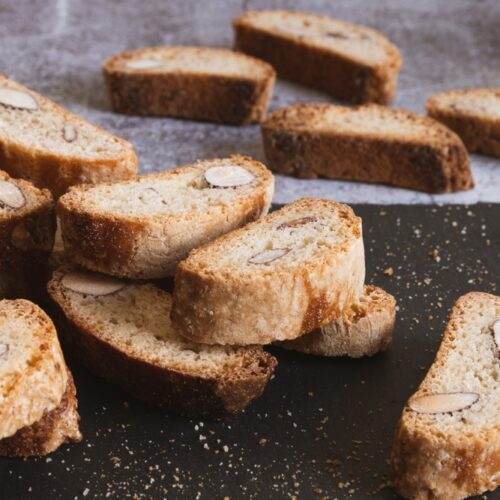
Homemade Carquiñoles: 5 Irresistible Steps to Perfect it
Ingredients
- 250 g All-purpose flour (about 2 cups)
- 200 g Granulated sugar (1 cup)
- 2 Large eggs
- 1 tsp Baking powder
- 1 Pinch of salt
- 200 g Raw almonds with skin (about 1 ⅓ cups)
- 1 tsp Ground cinnamon or anise powder (optional)
- Zest of 1 lemon (optional but recommended)
Instructions
- Preheat and Prepare:Preheat your oven to 180°C (350°F).Line a baking tray with parchment paper.
- Mix the Dough:In a bowl, whisk together flour, baking powder, salt, and optional cinnamon.In another bowl, beat the eggs with sugar until smooth and creamy. Add the lemon zest if using.Gradually incorporate the dry mix into the wet mix. Add the almonds and stir until just combined.The dough should be slightly sticky but manageable. If too wet, add a tablespoon of flour.
- Shape the Logs:Divide the dough into 2 logs (around 5 cm / 2 inches wide).Place them on the tray and slightly flatten the top.
- First Bake:Bake for 25–30 minutes until the surface is golden and set.Remove and let rest 10–15 minutes on a rack.
- Slice and Second Bake:Slice the logs diagonally (1.5 cm thick).Arrange the slices cut-side up on the tray.Bake a second time for 10 minutes, flip, then 10 more minutes (total of 20 minutes) at 170°C (340°F) until golden and crisp.
Notes
Storage Tips:
- Let cool completely before storing.
- Store in an airtight tin or container at room temperature.
- Keeps fresh and crunchy for 2–3 weeks.