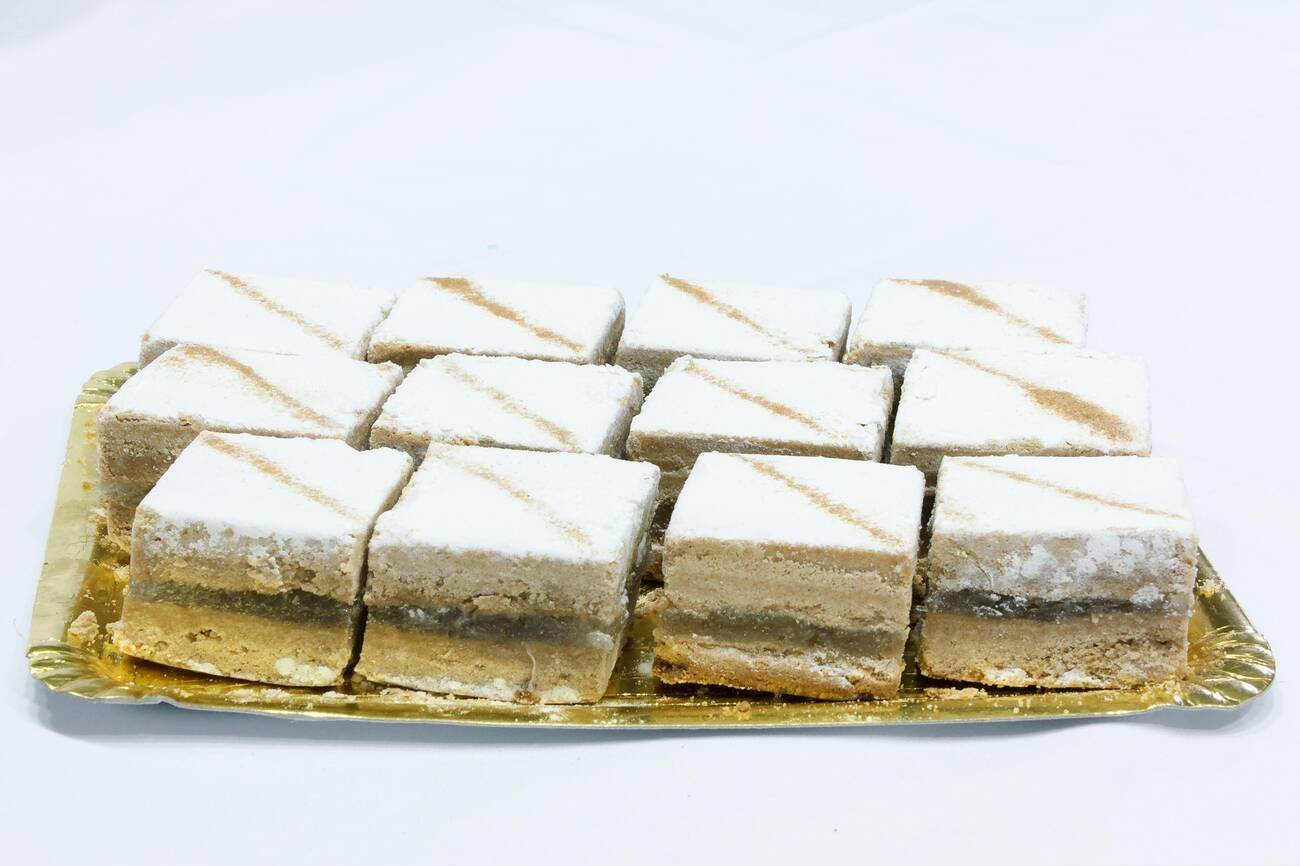
Cortadillos are traditional Spanish pastries that go far beyond the festive season. Although they’re often associated with Christmas, especially in southern Spain, they’re available year-round, particularly in Andalusia, and most notably, in Seville. For good reason, this sweet treat has earned a place in local hearts and homes.
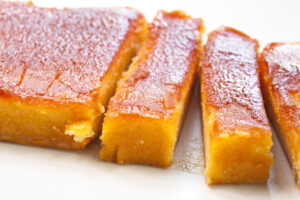
So, what exactly is a cortadillo? Think of it as a compact, square pastry made with two soft, crumbly layers of dough (reminiscent of mantecados) that sandwich a generous amount of cabello de ángel, a silky jam made from cidra pumpkin. The dough melts in your mouth, and the filling offers a subtle sweetness with a unique, fibrous texture.
Many people wonder why they’re called “cortadillos de cidra.” The answer is simple: the jam inside is made from the calabaza de cidra, or winter squash, which gives the filling its golden color and sweet, fruity flavor.
From their humble origins to their unmatched texture, cortadillos have survived the test of time, becoming a staple in Andalusian pastry shops and homemade kitchens.
In my experience, cortadillos de cidra are a go-to sweet at home, not just during the holidays. I love how easy they are to make, and more importantly, how accessible the ingredients are. Once I learned the recipe, I stopped waiting for Christmas to enjoy them. They’re now a part of our dessert rotation year-round.
Table of Contents
2. A Slice of History: From Convent Kitchens to Home Baking
The story of cortadillos is as rich as their flavor. These pastries trace their roots back to the cloistered kitchens of Andalusian convents. Like many traditional Spanish sweets, they were originally prepared by nuns who perfected recipes over generations. The ingredients were humble: lard, flour, sugar, and seasonal fruits, but the results were extraordinary.
Cortadillos became especially popular in Seville, where convents began selling them to the public to support their communities. Eventually, bakeries caught on and started producing their versions. However, many locals will tell you the best ones still come from Convent recipes.
While the recipe has remained relatively unchanged, variations exist. Some replace the cidra filling with other jams, like sweet potato or quince paste, but purists always return to the original: cabello de ángel made from cidra pumpkin.
The historical link between Spanish religious communities and pastries like cortadillos is not just anecdotal — it’s a cultural phenomenon. From mantecados to yemas de Santa Teresa, many of Spain’s finest sweets have a holy origin.
Today, making cortadillos at home is a way to honor this heritage and keep these time-tested recipes alive. It also connects you to a simpler, slower-paced world where baking wasn’t just about food — it was about tradition, celebration, and sharing.
3. The Star Ingredient: Cidra Pumpkin Hair Jam
Let’s talk about the heart of every cortadillo: the filling. Cabello de ángel — literally “angel’s hair” — is a Spanish jam made from the fibrous flesh of the cidra pumpkin. The texture is distinctively thread-like, and the flavor is delicate, sweet, and aromatic.
The process of making it is quite artisanal. First, the cidra squash is boiled until tender, then its flesh is separated into thin strands. These strands are then cooked slowly with sugar and lemon zest until they form a sticky, golden preserve. The result is unlike any other jam you’ve had.
So why is this jam so revered in Spain? One reason is its versatility. Apart from cortadillos, you’ll find it in ensaimadas, pastelitos, and even empanadillas dulces. But in cortadillos, the balance between the buttery dough and the mild sweetness of the jam is spot-on.
I still remember the first time I made cabello de ángel from scratch. It was a bit of a process — messy but magical. Once I layered it between the soft mantecado-style dough, I finally understood why this filling had been used for centuries. It’s comforting, nostalgic, and surprisingly elegant.
If you’re short on time or can’t find cidra squash, many Spanish stores sell ready-made cabello de ángel in jars. But if you’re serious about authenticity, making it home will elevate your cortadillos from good to unforgettable.
4. How to Make Homemade Cortadillos: Step-by-Step Recipe
Ready to try your hand at making cortadillos? Here’s how to recreate this Andalusian delight from your kitchen.
Ingredients:
- 500 g flour
- 250 g pork lard or unsalted butter
- 150 g powdered sugar
- Zest of 1 lemon
- 300 g cabello de ángel (homemade or store-bought)
- Powdered sugar for dusting
Instructions:
- Preheat your oven to 180°C (350°F).
- In a large bowl, cream the lard with the powdered sugar until smooth.
- Add lemon zest and flour, and mix until you get a soft dough. Chill for 30 minutes.
- Divide the dough into two equal parts.
- Roll one part to form the base layer in a baking tray lined with parchment paper.
- Spread a thick layer of cabello de ángel evenly across the dough.
- Roll the second part and carefully lay it over the filling. Gently press to even it out.
- Bake for 25–30 minutes, or until lightly golden.
- Let it cool completely, then cut into squares.
- Dust with powdered sugar before serving.
These are incredibly easy to make, yet taste like something from a high-end bakery. Once you make them, you’ll realize why they’re a year-round staple in Andalusian households.
5. Expert Tips for Perfect Andalusian Pastries
To get your cortadillos just right, here are some expert tips:
- Use high-quality lard or butter. Lard gives that authentic, crumbly texture, but good-quality butter works too.
- Don’t overbake. They should be lightly golden, not brown.
- Chill the dough. This helps it roll out easily and keeps the layers intact.
- Generous filling. Don’t skimp on the cabello de ángel — it’s the soul of the pastry.
- Store in airtight containers. They keep well for up to a week and taste better the next day.
As I discovered firsthand, the secret is in the balance. A buttery dough and a not-too-sweet filling, that’s the magic formula. My family always devours them within two days, and requests are frequent, especially around December… and March… and June.
6. When and How to Enjoy Cortadillos Year-Round
Traditionally, cortadillos are a Christmas staple, often served with coffee or sweet wine after large holiday meals. But why limit yourself?
Thanks to their rich yet delicate profile, cortadillos pair beautifully with:
- Afternoon tea or café con leche
- Breakfast on special weekends
- Midday snacks with friends
Their shelf stability also makes them ideal for gifting. Pack them in pretty tins and bring them to gatherings — you’ll instantly become everyone’s favorite guest.
In Seville, it’s common to find them at local pastry shops year-round. That’s how I got hooked. It’s a comforting pastry, full of local tradition, and perfect for celebrations and lazy Sundays.
7. Related Spanish Desserts You Should Also Try
If you love cortadillos, these other Spanish desserts might steal your heart too:
- Polvorones: Crumbly almond shortbread cookies, often enjoyed at Christmas.
- Yemas de Santa Teresa: Sweet egg yolk confections from Ávila.
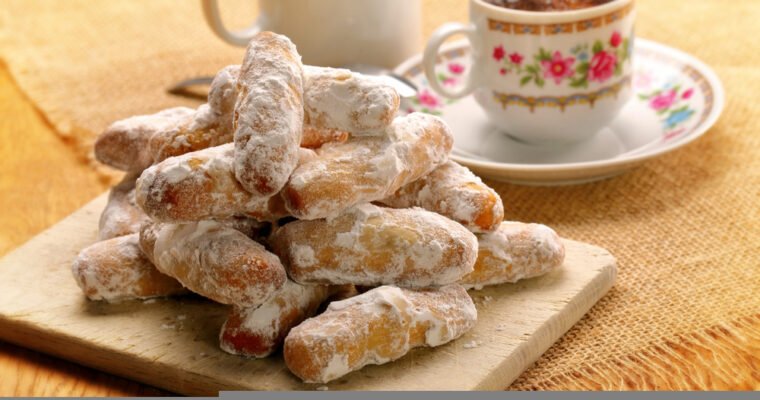
- Roscos de vino: Wine donuts with powdered sugar, another holiday classic.
- Empanadillas dulces: Fried pastry pockets often filled with cabello de ángel.
- Tarta de Santiago: Almond cake from Galicia, marked with the cross of Saint James.
All of these reflect the rich regional diversity of Spanish baking, each with its own story and flair.
8. Frequently Asked Questions About Cortadillos
Q: Can I use jam other than cabello de ángel?
A: Yes, but the flavor profile will change. Quince or sweet potato paste are decent alternatives.
Q: Can I freeze cortadillos?
A: Absolutely. Freeze in airtight containers and thaw at room temperature for best results.
Q: What’s the best substitute for lard?
A: Unsalted butter is the most common substitute. Coconut oil can also work for a dairy-free version.
Q: Are cortadillos gluten-free?
A: Traditional recipes use wheat flour, but you can experiment with gluten-free mixes.
Q: How long do cortadillos stay fresh?
A: Up to 7 days when stored properly in a cool, dry place.
9. Conclusion: Bring Tradition Home
Cortadillos are more than a dessert, they’re a piece of Andalusian heritage. Whether you discovered them in a convent bakery or made them for the first time today, you’ve connected with a centuries-old tradition that still warms hearts and kitchens.
If you enjoyed this article, consider subscribing to our newsletter for more traditional recipes, Spanish culinary insights, and baking tips.
Have your own cortadillo story? Share it in the comments, we’d love to hear how these delightful squares became part of your life, too.
Cortadillos: 5 Expert Tips to Master it
Ingredients
- 500 g Flour
- 250 g Pork lard or unsalted butter
- 150 g Powdered sugar
- Zest of 1 lemon
- 300 g Cabello de ángel (homemade or store-bought)
- Powdered sugar for dusting
Instructions
- Preheat your oven to 180°C (350°F).
- In a large bowl, cream the lard with the powdered sugar until smooth.
- Add lemon zest and flour, and mix until you get a soft dough. Chill for 30 minutes.
- Divide the dough into two equal parts.
- Roll one part to form the base layer in a baking tray lined with parchment paper.
- Spread a thick layer of cabello de ángel evenly across the dough.
- Roll the second part and carefully lay it over the filling. Gently press to even it out.
- Bake for 25–30 minutes, or until lightly golden.
- Let it cool completely, then cut into squares.
- Dust with powdered sugar before serving.